Recommended Dosage Ranges
Based on research and individual needs, African Mango dosages vary:
- 150 mg: Beginner/Sensitive users.
- 300 mg: Moderate weight management.
- 1.05 grams: Clinical studies/Max benefits.
- Start low, adjust gradually.
What if you could boost your wellness journey with a natural supplement? The right dosage of African mango can make all the difference. Let's explore the essential insights you'll gain from understanding how to harness its benefits effectively!
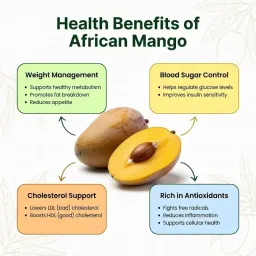
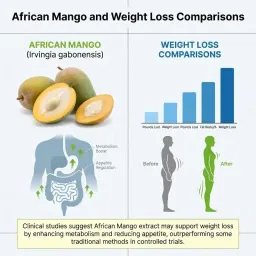
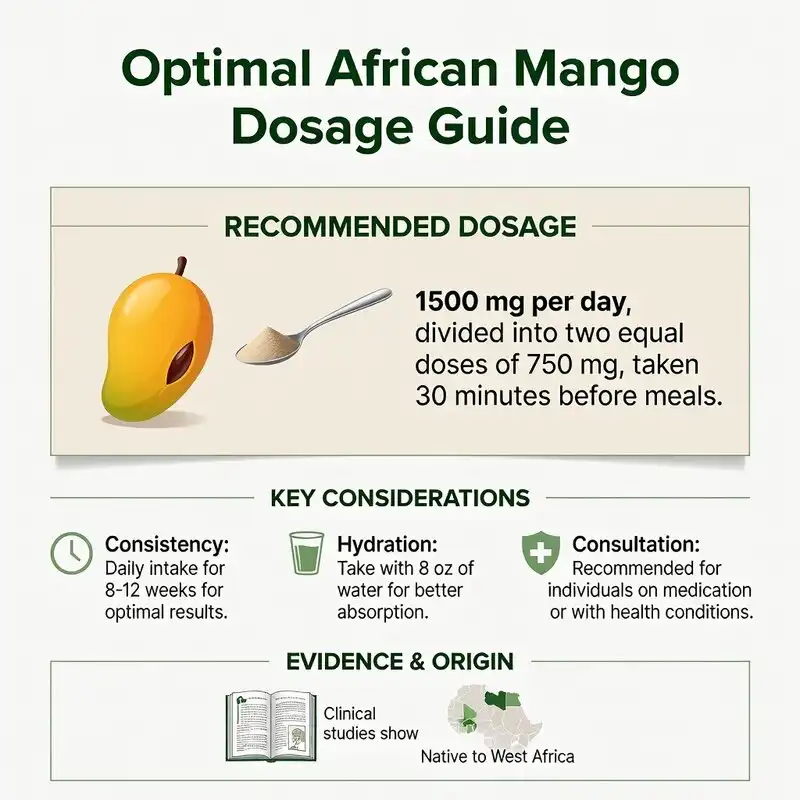
This visual summarizes the recommended dosage ranges, comparative analysis, and key benefits associated with African Mango (Irvingia gabonensis) supplementation.
Based on research and individual needs, African Mango dosages vary:
When it comes to enhancing your wellness journey, understanding the right dosage of African mango supplements is crucial. As the founder of Best African Mango Resources, I’ve seen firsthand how the right information can empower individuals to make informed choices, especially regarding natural supplements like Irvingia gabonensis. Let’s dive into the details of African mango, including its active components and recommended usage. For more insights on specific dosages for weight loss, check out our guide on African Mango Dosage for Weight Loss.
African mango, scientifically known as Irvingia gabonensis, is a tropical fruit native to West Africa. It has gained popularity for its potential health benefits, particularly in weight management and metabolic support. The seed extract of this fruit is the most studied component, known for containing unique compounds that contribute to its various health benefits.
<400px × 300px (4:3 aspect ratio)Irvingia gabonensis has traditionally been used in African medicine for its numerous therapeutic benefits. It’s often hailed for its role in weight loss, appetite regulation, and even managing cholesterol levels. This makes it a valuable asset for anyone looking to enhance their health naturally!
These nutrients work synergistically to provide a range of benefits, making African mango a powerful supplement! Understanding these components sets the foundation for determining the most effective dosage.
Determining the correct dosage of African mango can greatly influence its effectiveness. Based on research, various dosage ranges have been established to help guide users towards optimal results.
Finding the right dosage is essential for maximizing the benefits of African mango supplements. It’s important to start at a lower dose and adjust based on your body’s response.
When evaluating the different dosing protocols, it’s vital to consider individual health goals and responses. For instance:
This comparative approach helps ensure that users can tailor their supplement routine to match their personal health objectives! To learn more about how different dosages impact the body, refer to our article on African Mango Capsules, Powders, and Extracts.
Several clinical studies have explored the efficacy of different doses of African mango. For example, research has demonstrated that doses of 300 mg and 1.05 grams can lead to noticeable improvements in weight management, appetite suppression, and metabolic health markers. Understanding these findings can help you choose a dosage that aligns with your wellness goals.
Now that we've covered the basics of dosing, let's explore the exciting benefits that come with taking African mango supplements!
Research indicates that specific dosages of African mango can yield significant weight loss results. For example:
These outcomes highlight the importance of finding the right dosage to achieve your weight loss goals effectively.
African mango has also been linked to improved metabolic markers. Taking the appropriate dosage can help:
Incorporating African mango into your routine might just support your overall metabolic health!
One of the key benefits of African mango is its ability to suppress appetite while boosting metabolism. Individuals taking the recommended doses often report feeling more satisfied between meals and experiencing a natural increase in energy levels. This dual action can make a significant difference in any weight management journey.
While African mango is generally considered safe, it’s essential to be aware of potential side effects and necessary precautions. Understanding these aspects can help ensure a positive supplement experience.
Some users may experience mild side effects, such as:
Being aware of these potential side effects can help you monitor your body’s response and adjust accordingly.
As with any supplement, it's a good idea to consult with a healthcare provider before starting African mango. This ensures that your individual health conditions and medications are taken into account, allowing for safe and effective supplementation.
It’s important to note that herbal supplements like African mango are not strictly regulated by the FDA. Therefore, sourcing supplements from reputable brands is key. At Best African Mango, we emphasize the importance of quality and transparency in product selection.
Dosage isn’t one-size-fits-all. Personalizing your African mango intake is essential for achieving the best results. Here are factors to consider:
Taking these factors into account can enhance your success with the supplement!
Once you’ve started taking African mango, monitor how your body responds. If you're not experiencing the desired effects, consider adjusting your dosage gradually. This personalized approach ensures that you're aligning your intake with your unique health journey.
Timing can play a significant role in the effectiveness of African mango supplements. Understanding when to take them can enhance their benefits!
Many users find that taking African mango supplements in the morning or before meals can yield the best results. This timing helps maximize appetite control throughout the day.
Taking African mango before meals can promote feelings of fullness, making it easier to manage portion sizes. This strategic approach not only aids in weight management but also encourages healthier eating habits!
As interest in African mango continues to grow, understanding its long-term use and safety profile is crucial for many users.
While research primarily focuses on short-term results, many individuals have successfully used African mango supplements for extended periods. Regular monitoring of health markers can help ensure that this practice remains safe!
If you choose to incorporate African mango into your routine for the long haul, consider tracking important health markers such as weight, blood sugar levels, and cholesterol. This proactive approach can provide insights into how the supplement is working for you.
Lastly, always review product quality and safety by exploring consumer reports and user reviews. At Best African Mango, we prioritize quality and encourage our community to stay informed about the products they choose. For a comprehensive look at various products, check out our African Mango Supplements Reviewed 2025.
To maximize the benefits of African mango supplements, consider taking them consistently at the same time each day. This routine can help your body recognize and adapt to the supplement, enhancing its effectiveness over time. Additionally, pairing the supplement with a balanced diet and hydration can further support your weight management and metabolic goals!
As we conclude our exploration of African mango dosage, it's essential to highlight key insights that can guide your journey toward optimal wellness. Understanding the right dosage of African mango not only empowers you to make informed decisions but also enhances your overall health experience. Remember, effective supplementation is about finding the balance that works for you!
In summary, I encourage you to consider the following key dosage insights:
While I've shared valuable insights into African mango supplementation, nothing beats the expertise of your healthcare provider. Consulting with a professional ensures that your approach to African mango aligns with your overall health goals. They can help you evaluate your dietary needs, existing conditions, and any potential interactions with other supplements or medications.
At Best African Mango, my mission is to empower you with knowledge, but it’s essential to personalize your journey! Don't hesitate to reach out for tailored advice that meets your needs and enhances your wellness journey.
Now that you have a solid understanding of African mango supplement dosage, it's time to take the next steps toward incorporating it into your daily routine. Following a structured approach can significantly impact your results and overall well-being.
Choosing the right African mango product can be overwhelming, but don't worry! Here are some tips to help you select the best options:
By taking these steps, you can confidently choose a product that aligns with your health goals and supports effective weight management.
Don’t forget the power of community! Engaging with fellow health enthusiasts and professionals can provide you with valuable insights and encouragement. Consider joining online forums or local wellness groups where you can share experiences, discuss challenges, and celebrate successes.
At Best African Mango, I invite you to connect with me and share your journey! Together, we can build a supportive community focused on natural wellness and informed health decisions.
Incorporating African mango into a balanced diet and exercise routine is vital for maximizing its benefits. Think of African mango as one piece of a larger wellness puzzle! Aim to combine it with nutritious foods and regular physical activity:
By integrating African mango into a holistic approach to health, you can pave the way for lasting success on your wellness journey!
Here is a quick recap of the important points discussed in the article:
Dr. Nia Abara is a dedicated researcher and health advocate with a passion for natural wellness and nutrition. With a background in nutritional science, Dr. Abara provides evidence-based insights into the benefits and uses of African mango (Irvingia gabonensis). Through her expertise, she aims to empower health-conscious individuals and supplement researchers to make informed choices for their well-being.