African Mango Dosage for Weight Loss
What if a single fruit could transform your wellness journey? African mango, scientifically known as Irvingia gabonensis, is gaining attention for its remarkable health benefits and ability to aid in weight management. Let's unfold the essentials of this powerful superfood!
What You Will Learn
- African mango is rich in fiber, vitamins, and antioxidants, making it a nutrient-dense addition to your diet.
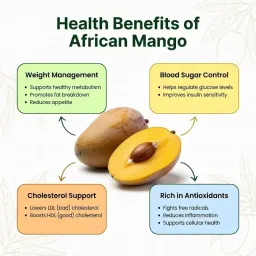
- It may help in weight management by suppressing appetite, enhancing fat metabolism, and improving insulin sensitivity.
- Key nutrients like Vitamin C and healthy fats found in African mango contribute to immune function and cardiovascular health.
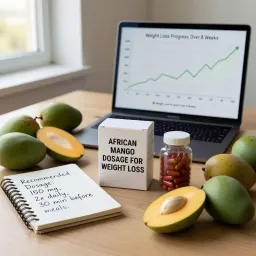
- Recommended dosages range from 150 mg to 1,050 mg per day, with consultation from healthcare professionals advised for personalization.
- Optimal timing for taking supplements is about 30 minutes before meals to maximize appetite control.
- Incorporating African mango into your diet can be enjoyable through smoothies, breakfast bowls, and even baked goods!
African Mango: Dosage Guide & Benefits Summary
This visual summarizes key information on African Mango dosage and its nutritional benefits, referencing clinical studies and practical application.
Recommended African Mango Dosage
150 - 1,050 mg
Daily Intake Range (Clinical Studies)
- ✓ Start with lower dosage
- ✓ 300mg showed significant results
- ✓ Adjust based on individual needs
Key Benefits & Nutrients
Weight Management
Appetite suppression, fat metabolism
- ● High in Fiber: Digestive & Weight Aid
- ● Rich in Antioxidants: Combats stress
- ● Healthy Fats: Supports Heart Health
Understanding African Mango: What It Is and How It Works
Have you ever heard of African mango? It’s not just another trendy superfood; it’s Irvingia gabonensis, a powerful natural supplement with a rich history and numerous health benefits! At Best African Mango, we’re passionate about providing you with the best information about this amazing fruit and how it can support your wellness journey.
African mango has gained popularity for its potential role in weight management and overall health. Known for its unique properties, this tropical fruit is not only a nutrient-dense option but also offers various benefits that can enhance your well-being.
Defining African Mango and Its Nutritional Benefits
African mango is derived from the seeds of the Irvingia gabonensis tree, which is native to West Africa. Traditionally used in local diets, this fruit is celebrated for its nutritional value and health-promoting properties. The seeds are rich in fiber, vitamins, and minerals, making them a fantastic addition to a balanced diet.
- High in Fiber: Helps promote digestive health and can aid in weight management.
- Rich in Antioxidants: Protects against oxidative stress and boosts overall health.
- Supports Heart Health: Contains healthy fats that can improve cardiovascular function.
These nutritional benefits make African mango a valuable supplement for those looking to enhance their diet and improve their health naturally!
The Role of Irvingia Gabonensis in Weight Management
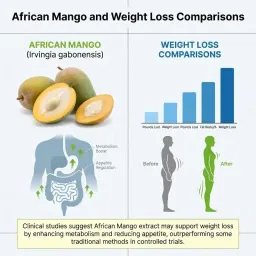
One of the most exciting aspects of African mango is its potential role in weight management. Research suggests that Irvingia gabonensis may help reduce body fat and control appetite. This means that incorporating this supplement into your routine can be a stepping stone towards achieving your weight loss goals. For more in-depth information, you can explore resources like the National Center for Biotechnology Information (NCBI), which often features studies on natural supplements.
Studies have indicated that African mango may work by:
- Suppressing appetite, making it easier to resist cravings.
- Enhancing fat metabolism, leading to increased fat burning.
- Improving insulin sensitivity, which can help regulate blood sugar levels.
By understanding how African mango works in the body, you can make informed choices about how to best use it in your weight management efforts.
Key Nutrients Found in African Mango: A Closer Look
African mango is not just a source of fiber; it’s packed with vital nutrients that can benefit your overall health. Some key nutrients found in this remarkable fruit include:
- Vitamin C: Essential for immune function and skin health.
- Polyphenols: Antioxidants that combat inflammation and protect against chronic diseases.
- Healthy Fats: Contribute to satiety and overall nutritional balance.
Each of these nutrients plays a crucial role in supporting your health, making African mango a worthy addition to your wellness toolkit. Whether you're considering weight management or simply looking to enhance your nutrition, African mango can offer incredible benefits!
Pro Tip
To maximize the benefits of African mango in your weight management journey, consider combining it with a balanced diet and regular exercise. Research shows that supplements work best when integrated into a holistic approach to health, enhancing your overall results!
Guidelines on African Mango Dosage for Effective Weight Loss
When it comes to achieving your weight loss goals with African mango, understanding the proper dosage is crucial. Taking the right amount can significantly impact your results. In this section, we'll explore the recommended dosage ranges based on clinical studies, how to tailor your dosage according to personal needs, and other important considerations to ensure you're getting the most out of this powerful supplement.
Recommended Dosage Ranges Based on Clinical Studies
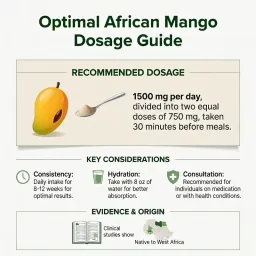
Several studies have indicated that the effective dosage of African mango extract typically falls within a specific range. Research often suggests a daily intake of 150 mg to 1,050 mg of Irvingia gabonensis. For example, a study published in Lipids in Health and Disease highlighted the efficacy of specific dosages in weight management. Here are some key points based on clinical findings:
- In studies, participants taking around 300 mg per day experienced significant weight loss results.
- Doses of 1,050 mg have shown even more dramatic effects, though it’s essential to consider individual factors.
- It’s advisable to start at the lower end of the dosage range and gradually increase as needed.
These ranges provide a solid foundation, but remember, it's best to consult with a healthcare professional to tailor your approach!
Tailoring Dosage to Individual Needs: Factors to Consider
Every individual is unique, and so are their responses to supplements. When determining the right dosage of African mango for you, consider the following factors:
- Body Weight: Heavier individuals may require higher dosages to achieve effective results.
- Health Conditions: Pre-existing health issues can affect how your body reacts to African mango.
- Age: Older adults may have different metabolism rates, necessitating dosage adjustments.
By considering these factors, you can find a dosage that aligns with your health journey. Listening to your body is key!
Adjusting Dosage According to Body Weight and Health Conditions
Your body weight plays a significant role in how you should approach dosage. If you're on the heavier side, you might find that higher dosages yield better results. Additionally, if you have any underlying health conditions, consulting with a healthcare provider can help you determine the safest and most effective dosage tailored to your unique situation. A detailed review on this topic can be found on Life Science Global, which discusses various aspects of Irvingia gabonensis supplementation.
Age Considerations for Safe Supplementation
Your age can also impact how you process supplements. As we age, our metabolism may slow down, requiring adjustments in dosage. If you're over 50, I recommend starting with a lower dosage and observing how your body reacts before increasing it.
Understanding Dosage Recommendations from Health Professionals
Before starting any new supplement, including African mango, it's wise to seek advice from health professionals. They can provide tailored recommendations based on your health history and weight loss goals. This personalized approach can help you maximize the benefits of African mango while minimizing any potential risks.
Maximizing Efficacy: How to Properly Take African Mango Supplements
To truly reap the benefits of African mango, how you take it can matter just as much as how much you take! Here, we'll delve into the best practices for timing, forms of supplementation, and how to integrate African mango into your daily diet.

Optimal Timing: When to Take African Mango for Best Results
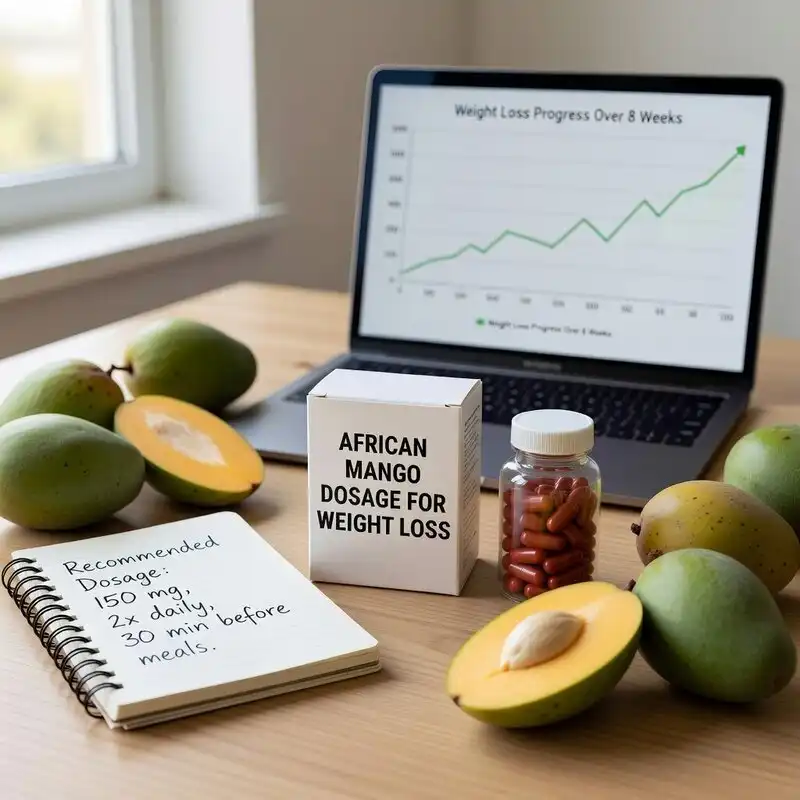
Finding the right time to take your African mango supplement can enhance its effectiveness. Generally, it's best to take it about 30 minutes before meals. This timing can help manage appetite and improve digestion. Try incorporating it into your morning routine; it sets a positive tone for the day!
Forms of Supplementation: Capsules, Powders, and More
African mango supplements come in various forms, each with its own advantages:
- Capsules: Easy to take and great for on-the-go!
- Powders: Versatile and can be added to smoothies or meals.
- Teas: A soothing way to enjoy the benefits in a warm beverage.
Choose the form that fits best with your lifestyle and preferences. Whatever you decide, consistency is key!
Integrating African Mango into Your Diet: Meal Plans and Recipes
Integrating African mango into your diet can be both fun and delicious! Here are some ideas to get you started:
- Smoothies: Blend African mango powder with your favorite fruits and greens.
- Breakfast Bowls: Sprinkle it over oatmeal or yogurt for a nutrient boost.
- Baking: Add the powder to baked goods like muffins or pancakes!
Feel free to get creative in the kitchen! By making African mango a part of your meals, you're more likely to stick to your routine and enjoy the benefits.
Frequently Asked Questions About African Mango
Q1: What is African mango and what are its main benefits?
A1: African mango, or Irvingia gabonensis, is a tropical fruit native to West Africa. Its seeds are rich in fiber, vitamins, and antioxidants. Key benefits include aiding in weight management by suppressing appetite and enhancing fat metabolism, supporting digestive health, boosting immunity with Vitamin C, and contributing to cardiovascular health through healthy fats.
Q2: How does African mango help with weight management?
A2: African mango is believed to assist with weight management by suppressing appetite, making it easier to control cravings. It may also enhance fat metabolism, leading to increased fat burning, and improve insulin sensitivity, which helps regulate blood sugar levels. These mechanisms contribute to its potential as a weight loss aid.
Q3: What is the recommended daily dosage for African mango?
A3: Based on clinical studies, the recommended daily dosage for African mango extract typically ranges from 150 mg to 1,050 mg. It is often advised to start with a lower dosage (e.g., 300 mg) and gradually increase it as needed, while considering individual factors such as body weight, health conditions, and age. Consulting a healthcare professional for personalized advice is recommended.
Q4: When is the best time to take African mango supplements for optimal results?
A4: For best results, it is generally recommended to take African mango supplements approximately 30 minutes before meals. This timing helps to maximize its effects on appetite control and digestion, setting a positive tone for your daily intake and potentially leading to better outcomes in weight management.
Q5: In what forms is African mango available, and how can it be incorporated into my diet?
A5: African mango supplements are available in various forms, including capsules, powders, and teas. To integrate it into your diet, you can easily add African mango powder to smoothies, sprinkle it over breakfast bowls like oatmeal or yogurt, or even incorporate it into baked goods such as muffins or pancakes. Choosing a form that fits your lifestyle is key for consistency.
Recap of Key Points
Here is a quick recap of the important points discussed in the article:
- African Mango Benefits: Rich in fiber, antioxidants, and healthy fats that support digestive health, heart health, and overall wellness.
- Weight Management: May help suppress appetite, enhance fat metabolism, and improve insulin sensitivity, aiding in weight loss efforts.
- Recommended Dosage: Effective daily intake ranges from 150 mg to 1,050 mg, with individual factors such as body weight and health conditions influencing specific needs.
- Timing and Forms: Best taken 30 minutes before meals; available in capsules, powders, and teas for versatile integration into your diet.
- Healthy Incorporation: Use in smoothies, breakfast bowls, or baked goods to enjoy the nutritional benefits while enhancing your meals!

Dr. Nia Abara
Dr. Nia Abara is a dedicated researcher and health advocate with a passion for natural wellness and nutrition. With a background in nutritional science, Dr. Abara provides evidence-based insights into the benefits and uses of African mango (Irvingia gabonensis). Through her expertise, she aims to empower health-conscious individuals and supplement researchers to make informed choices for their well-being.