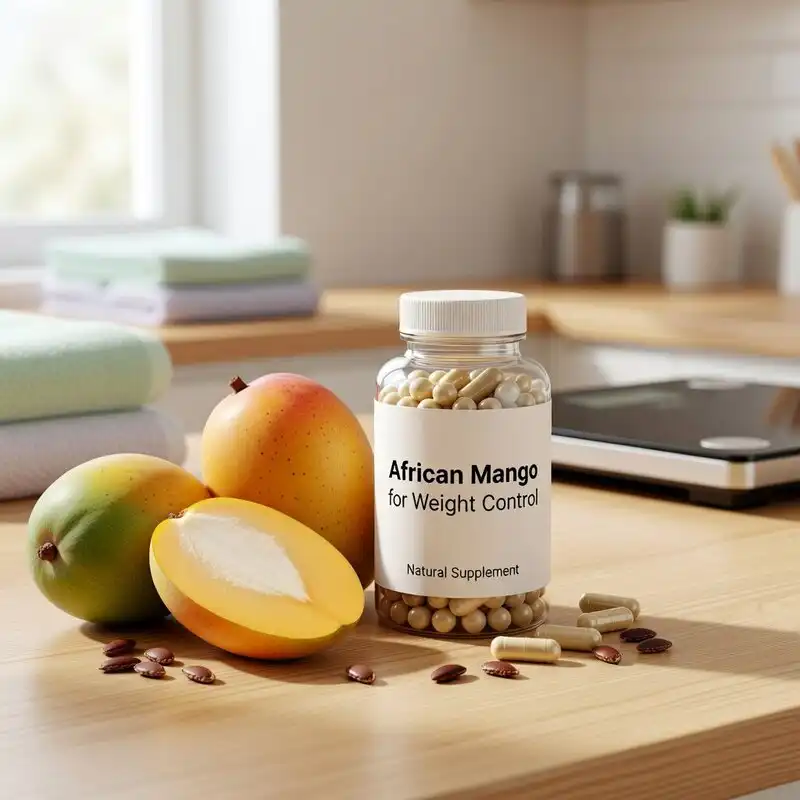
Appetite Control: Core Benefits
African Mango helps balance hormones like ghrelin and leptin, promoting feelings of fullness and reducing hunger pangs.
What if a simple fruit could change the way you manage your weight? African mango, also known as Irvingia gabonensis, is gaining recognition for its potential to help suppress appetite and promote wellness. Let's explore the key insights from recent findings on this tropical fruit.
African Mango (Irvingia gabonensis) plays a vital role in balancing key hunger hormones, ghrelin and leptin, to support appetite control and weight management. For more details on its historical significance and various applications, check out African Mango's Medicinal Heritage.
African Mango helps balance hormones like ghrelin and leptin, promoting feelings of fullness and reducing hunger pangs.
Have you ever heard of African mango, or Irvingia gabonensis? This tropical fruit has gained attention for its potential health benefits, particularly in the realm of weight management. As the founder of Best African Mango, I am passionate about sharing reliable, evidence-based information about this remarkable supplement. Let’s explore what African mango is and how it can play a role in appetite control!
African mango is derived from the seeds of the Irvingia gabonensis tree, a fruit native to West Africa. Traditionally, it has been used for its nutritional and medicinal properties. The seeds are rich in nutrients and have been studied for their ability to aid in weight loss. As I delved into the scientific research surrounding African mango, I was excited to discover its potential benefits for appetite suppression and overall wellness. For more on how African mango supports weight management, read our detailed guide on African Mango and Weight Management.
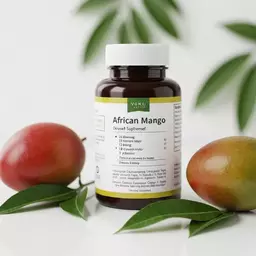
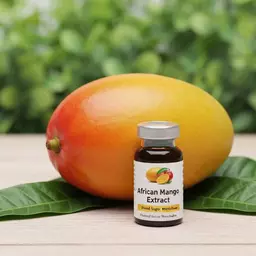
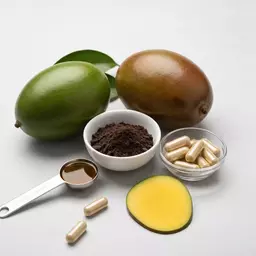
The seeds of African mango are often processed into extracts for use in dietary supplements. These extracts are packed with beneficial compounds that can support healthy weight management. Isn’t it fascinating how a fruit can hold such potential?
Understanding the mechanisms behind African mango's effectiveness can help us appreciate its role in weight loss. Research indicates that African mango may influence appetite-regulating hormones, helping to reduce cravings and promote feelings of fullness. It’s exciting to think about how this natural supplement can support our wellness journeys!
By incorporating African mango into your diet, you could experience improved control over your appetite, making it easier to stick to your weight loss goals. That’s something we all can benefit from!
When discussing appetite control, two key players come into the spotlight: ghrelin and leptin. Ghrelin, often referred to as the "hunger hormone," signals to our brain when it's time to eat. On the other hand, leptin communicates feelings of fullness and tells us to stop eating. A balance between these hormones is crucial for effective appetite regulation.
Studies suggest that African mango may help in regulating these hormones, leading to better management of hunger and satiety. By focusing on the science, we can make informed decisions about incorporating African mango into our health routines!
To maximize the appetite-suppressing benefits of African mango, consider incorporating it into a balanced diet that includes plenty of fiber and protein. These nutrients work synergistically to enhance feelings of fullness, helping you stay on track with your weight management goals.
African mango, or Irvingia gabonensis, is a tropical fruit native to West Africa. Its seeds are used for their nutritional and medicinal properties, particularly in weight management.
African mango may help regulate appetite by influencing key hunger hormones like ghrelin (which increases hunger) and leptin (which signals fullness), leading to reduced cravings and increased feelings of satiety.
Ghrelin is known as the "hunger hormone" and signals to the brain when it's time to eat. Leptin is the "satiety hormone" and communicates feelings of fullness, telling us to stop eating. African mango helps balance these hormones.
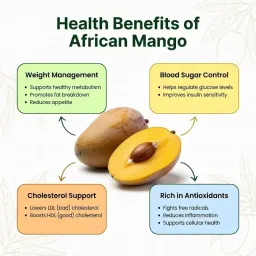
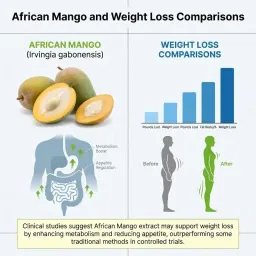
Clinical studies suggest that African mango supplementation can support weight loss and improve metabolic health by positively affecting blood sugar and cholesterol levels, in addition to appetite control.
Look for supplements with a standardized extract of at least 10% Irvingia gabonensis, ensure they are third-party tested for purity, check the ingredient list for unnecessary fillers, and research user reviews for overall satisfaction.
As we wrap up our exploration of African mango, it’s clear that this natural supplement offers several potential benefits for those looking to manage their weight. Throughout this article, we’ve delved into the science behind its appetite-suppressing properties, examined clinical studies, and discussed the metabolic effects it can have. If you're seeking a natural approach to weight management, African mango might just be an option worth considering!
Before making any decisions, it’s essential to weigh both the benefits and considerations. While African mango shows promise, it’s important to remember that individual results can vary. Here’s a quick summary of the benefits and things to keep in mind:
It’s always wise to consult a healthcare provider before starting any new supplement, especially if you have underlying health conditions or are taking medication. They can help determine if African mango aligns with your personal health goals.
Choosing the right African mango supplement can be daunting with the variety available in the market. Here are some tips to guide you in selecting a high-quality product:
By following these steps, you can make a well-informed choice that supports your weight loss journey! Remember, at Best African Mango, we emphasize the importance of reliable information and sustainable practices to empower our community. For reviews of various products and guidance on choosing the best one, explore African Mango Supplements Reviewed 2025.
Hearing from others can provide valuable insights into the effectiveness of African mango supplements. Many users report positive experiences, often highlighting their improved appetite control and satisfaction with their weight management efforts. Here are some common themes found in user reviews:
While individual experiences may vary, gathering information from fellow users can help guide your own journey. If you’ve tried African mango, I’d love to hear your thoughts! Share your experiences in the comments below to help others make informed decisions.
Here is a quick recap of the important points discussed in the article:
Dr. Nia Abara is a dedicated researcher and health advocate with a passion for natural wellness and nutrition. With a background in nutritional science, Dr. Abara provides evidence-based insights into the benefits and uses of African mango (Irvingia gabonensis). Through her expertise, she aims to empower health-conscious individuals and supplement researchers to make informed choices for their well-being.