Traditional Medicinal Significance
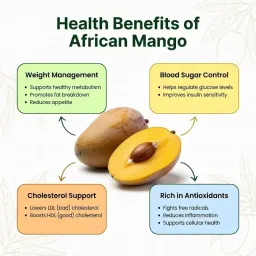
- Weight management support
- Blood sugar regulation
- Antioxidant properties
What if the key to a healthier you lies in a fruit steeped in centuries of tradition? African mango, or *Irvingia gabonensis*, is not just a food source; it's a symbol of cultural heritage and medicinal wisdom that has been passed down through generations.
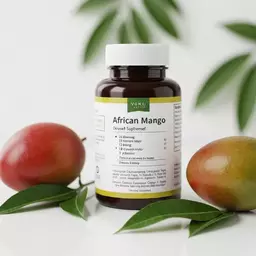
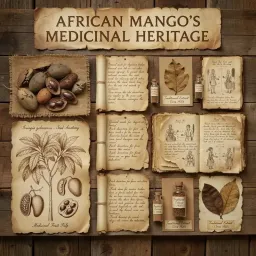
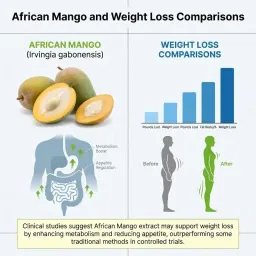
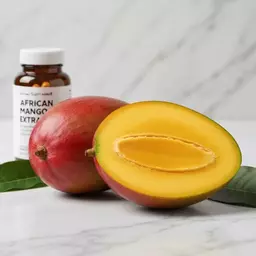
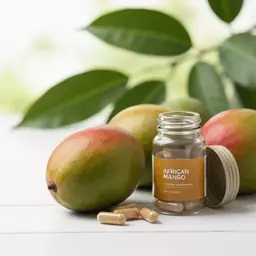
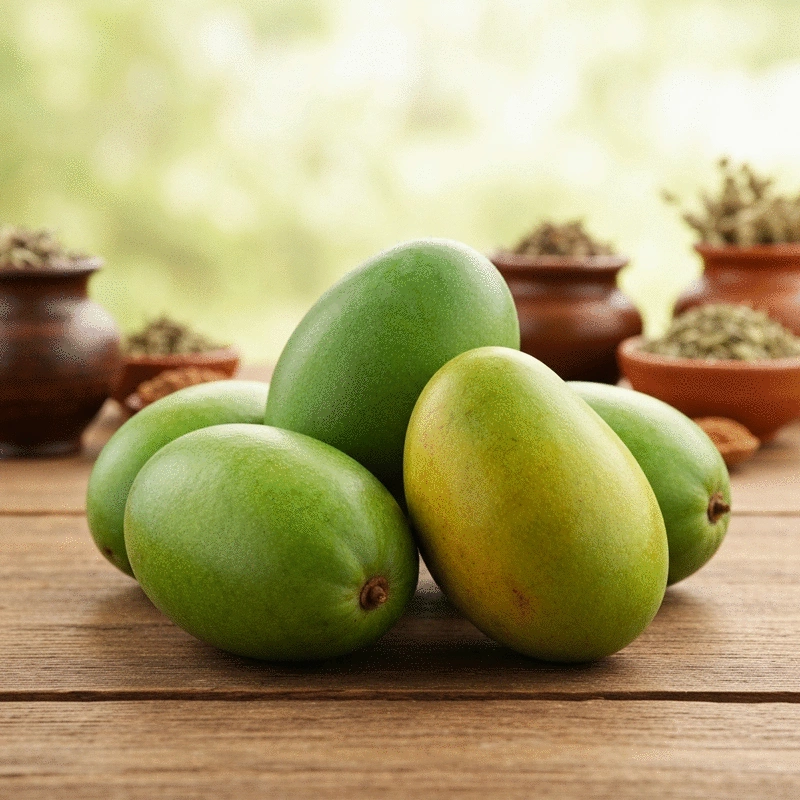
African mango (Irvingia gabonensis) holds deep cultural roots and significant medicinal value, traditionally supporting weight management, blood sugar regulation, and antioxidant benefits. This visual outlines its historical importance and the critical areas for future research and ethical practices. For more information on its historical applications and benefits, explore African Mango's Medicinal Heritage.
As a health advocate deeply invested in natural wellness, I often find myself captivated by the stories and traditions surrounding African mango, also known as *Irvingia gabonensis*. This remarkable fruit has a rich history in various cultures, particularly in Africa, where it has been used not just for its nutritional benefits, but also as a key player in traditional medicine. Understanding its significance offers valuable insights into how ancient practices can inform our modern health journeys.
At Best African Mango, we believe that exploring the cultural roots of this fruit helps us appreciate its role in promoting wellness. African mango isn't just a supplement; it's a symbol of heritage and healing, woven into the fabric of life in many African communities.
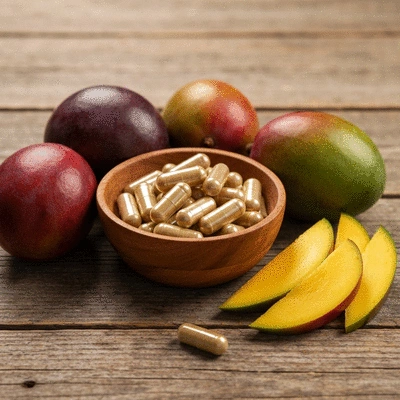
African mango is derived from the seeds of the *Irvingia gabonensis* tree, native to West and Central Africa. This fruit has been cherished not only for its delicious taste but also for its potential health benefits. In traditional medicine, it's often used to address various ailments, showcasing its versatility. Here are some of the key benefits attributed to African mango:
These benefits highlight why African mango has earned a prominent place in the realm of natural supplements, making it a focal point for both researchers and health enthusiasts alike. For those interested in managing their weight effectively, understanding the African Mango and Weight Management connection is crucial.
The historical usage of African mango stretches back centuries. Its incorporation into traditional medicine reveals a fascinating interplay between culture and health. Ethnopharmacology, the study of traditional medicinal practices, has documented numerous applications of *Irvingia gabonensis* across various African cultures.
For example, its seeds have been used in remedies aimed at improving digestion and reducing inflammation. This historical context emphasizes the need to recognize the wisdom of our ancestors while also triggering curiosity about what modern science can unveil about this incredible fruit.
In many African societies, African mango is more than just a food source; it represents a connection to the land and a means of preserving health. Traditional healers often incorporate it into their practices, showcasing the trust placed in this fruit as a natural remedy. The cultural significance of African mango can be summarized as follows:
These cultural dimensions are vital for anyone looking to understand the full impact of African mango. By appreciating its historical roots, we can better integrate its benefits into our contemporary health strategies.
When incorporating African mango into your health routine, consider starting with a standardized extract of at least 10% Irvingia gabonensis. This ensures you are receiving the optimal dose to experience its full range of health benefits, from weight management support to improved digestion.
A: African mango, or *Irvingia gabonensis*, is a fruit native to West and Central Africa. Its seeds are highly valued for their nutritional and medicinal properties, playing a significant role in traditional African medicine.
A: Traditionally, African mango has been used for weight management, blood sugar regulation, and its antioxidant properties. It's also integral to community health traditions and natural healing practices in various African cultures.
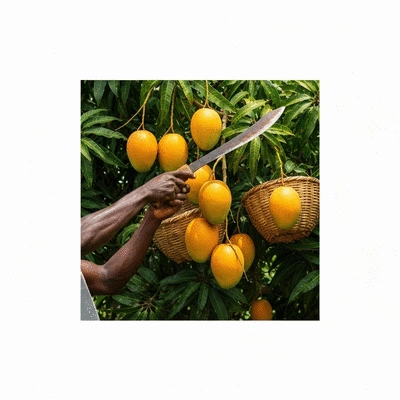
A: The sustainable harvesting of African mango supports local economies by providing income opportunities for communities involved in its cultivation and processing. This helps preserve traditional practices while benefiting the local population.
A: Ongoing research is crucial to scientifically validate the traditional claims surrounding African mango, identify its active compounds, and understand its full potential health benefits. This helps bridge traditional wisdom with modern scientific understanding.
A: Ethical practices involve ensuring sustainable harvesting methods that protect the environment and support local communities. It also includes responsible sourcing and educating consumers about the origins and impact of the product they purchase.
Throughout history, African mango (*Irvingia gabonensis*) has held a significant place in various cultures, particularly in traditional medicine. This remarkable fruit is not just a passing trend; it’s a staple in the health practices of many African communities. The cultural and medicinal value of African mango endures because it has been relied upon for generations to address common ailments and enhance overall wellness.
Moreover, it’s not merely about the physical benefits. The emotional and cultural connections that communities have with African mango contribute to its lasting importance. By recognizing its role in traditional healing, we also celebrate the rich heritage that accompanies it. African mango exemplifies how nature can be harnessed for health, combining both science and tradition.
The enduring significance of African mango in traditional medicine can be attributed to several factors:
In my journey with Best African Mango, I have seen firsthand how this fruit empowers individuals to take charge of their health. It’s fascinating to witness the fusion of traditional wisdom with modern nutritional understanding!
As we look ahead, it’s crucial to continue exploring the benefits of African mango through rigorous scientific research. While much has been learned, there remains a wealth of knowledge yet to uncover regarding its *active compounds* and their effects on health. With the growing interest in natural health solutions, I believe it's essential to focus on:
At Best African Mango, we are committed to promoting sustainable practices that honor both the fruit’s legacy and the communities that cultivate it. It’s a collective responsibility that can lead to a healthier future for everyone. For insights into selecting quality products, consider Choosing African Mango Supplements Wisely.
Have you experienced the benefits of African mango in your own health journey? I would love to hear your stories and insights! Engaging in conversation about natural wellness is so important, and your experiences could inspire others to consider African mango as part of their wellness routine.
Your personal journey with African mango can provide valuable perspectives. Whether you've used it for weight management, digestive health, or simply as part of your dietary routine, sharing your story can help others see the potential benefits. Let’s enrich each other’s experiences!
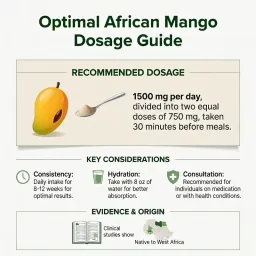
Furthermore, sustainability in the sourcing of African mango is vital. Discussing how we can work together to ensure that traditional practices are not only preserved but also ethically maintained is crucial. Let’s open the floor to ideas about how we can support both the health of our communities and the environment. Learning about African Mango Dosage for Weight Management can also contribute to a well-rounded understanding of its use.
Here is a quick recap of the important points discussed in the article:
Dr. Nia Abara is a dedicated researcher and health advocate with a passion for natural wellness and nutrition. With a background in nutritional science, Dr. Abara provides evidence-based insights into the benefits and uses of African mango (Irvingia gabonensis). Through her expertise, she aims to empower health-conscious individuals and supplement researchers to make informed choices for their well-being.