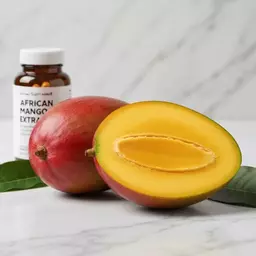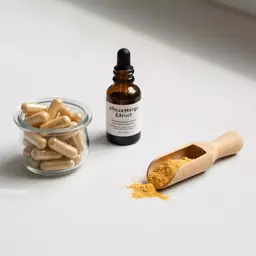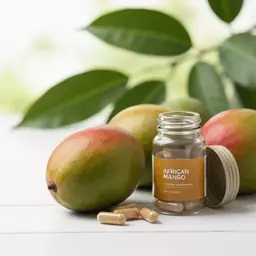
Health Benefits Overview
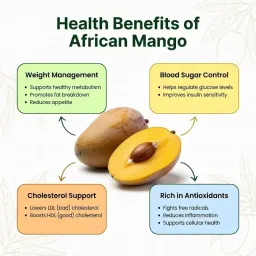
- ✓ Appetite suppression
- ✓ Blood sugar regulation
- ✓ Improved metabolic health
- ✓ Supports heart health
Source: Research studies
Did you know that understanding the interactions of natural supplements with medications can significantly enhance your wellness journey? In this article, we delve into the African mango supplement, a rising star in health circles, and uncover essential insights for safe and effective use.
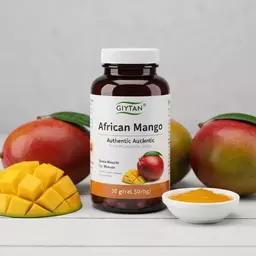
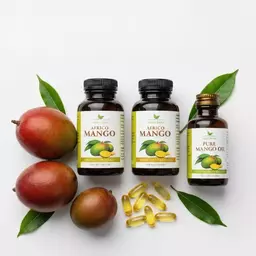
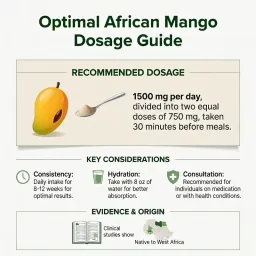
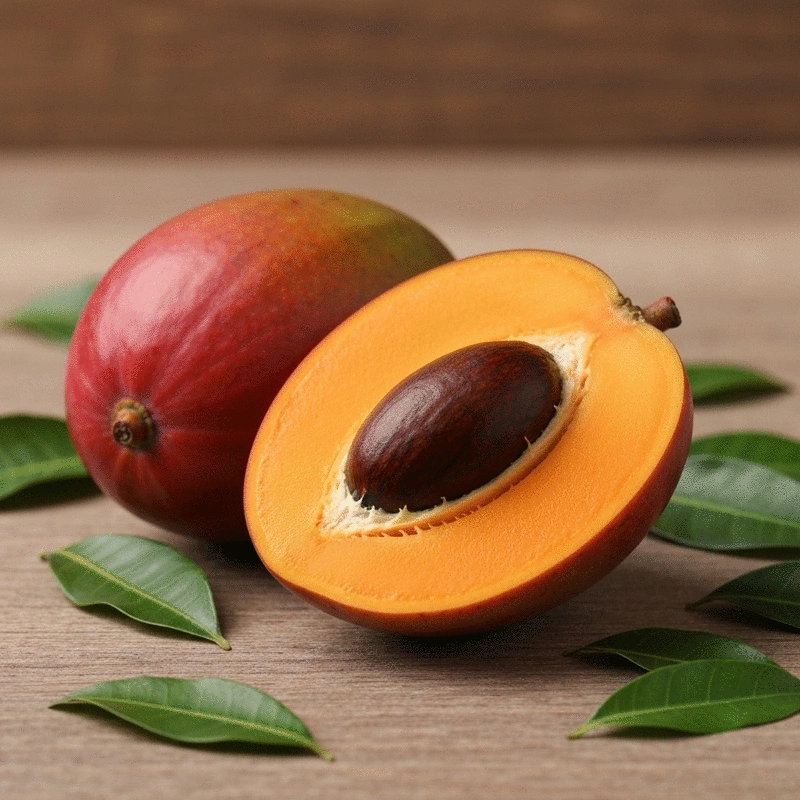
This visual outlines key considerations for safely incorporating African Mango supplements into your health regimen, focusing on benefits, potential interactions, and consultation processes.
As a dedicated advocate for natural wellness, I often receive questions about the African mango supplement and its interactions with other substances. This remarkable supplement, derived from Irvingia gabonensis, has gained popularity for its potential health benefits, especially in weight management. But with its rise in use, it's crucial to unpack how it interacts with medications and to understand the associated health risks.
By diving into this topic, we can empower ourselves to make informed decisions about including African mango in our health routines. So, let’s explore what makes this supplement so sought after!
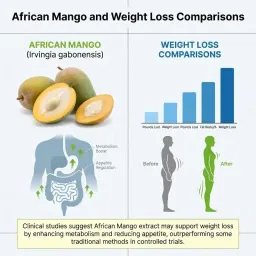
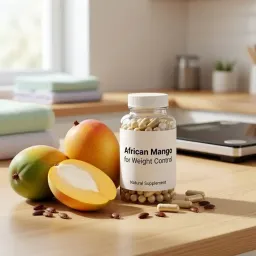
African mango supplements are made from the seeds of the Irvingia gabonensis tree, native to West Africa. They have gained traction due to their purported benefits for weight loss, appetite control, and overall wellness. This surge in interest is not just a trend; it's backed by scientific studies that have highlighted their potential effects on metabolism and fat storage. For more in-depth information on its weight management capabilities, read about African Mango and Weight Management.
These attributes contribute to African mango's reputation as a powerful natural supplement that many people are eager to incorporate into their health regimens. However, it's essential to approach its use with a robust understanding of how it may interact with medications and other health conditions.
Understanding how African mango interacts with other substances is vital for safe consumption. As someone deeply invested in health, I emphasize that while natural supplements offer benefits, they can also pose risks if not used properly. This is particularly important for individuals taking medications for conditions such as diabetes, where blood sugar levels need careful monitoring.
Knowledge is power! By being aware of these interactions, you can avoid unintended health complications and enhance your wellness journey with African mango in a safe manner.
The benefits of African mango extend beyond mere weight loss, although that is a significant advantage for many. Research suggests that this supplement can help in regulating blood sugar levels, improve overall metabolic health, and even support heart health by managing cholesterol levels. Learn more about the health benefits of African mango.
With these benefits in mind, it’s easy to see why African mango is becoming a staple in many people’s diets. However, it's equally important to recognize that these benefits are best realized when the supplement is used responsibly.
The key to understanding the efficacy of African mango lies in its active compounds, particularly those derived from Irvingia gabonensis. These compounds are known to influence metabolism and fat storage, making them crucial to the supplement's effectiveness. Their ability to enhance fat breakdown and reduce appetite is a focal point of numerous studies.
As I continue my research in nutritional science, I find it fascinating how this natural ingredient works within our bodies. It’s not just about weight loss; it’s about promoting a holistic approach to wellness, which is central to our mission at Best African Mango Site.
When incorporating African mango into your routine, consider keeping a health journal to track your energy levels, appetite changes, and any potential side effects. This proactive approach allows you to communicate effectively with your healthcare provider, ensuring a safer and more tailored supplement experience.
As I always emphasize at Best African Mango, consulting with a healthcare provider before starting any new supplement regimen is crucial! Your health is unique, and a professional can help you understand how African mango might interact with your current health conditions and medications.
Healthcare providers can offer personalized advice that considers your specific health needs. They can also help you make informed choices about incorporating African mango into your wellness routine.
Before diving into the benefits of African mango, it's important to discuss its use with a healthcare professional. They can help you assess your health status and any potential risks associated with taking this supplement.
Having this conversation ensures that you can safely integrate African mango into your lifestyle, aligning it with your health goals and needs. For detailed guidance on appropriate intake, refer to our African Mango dosage and safety guidelines.
When considering African mango, one aspect to discuss with your doctor is the possibility of adjusting your medication doses. This adjustment is especially important for individuals managing blood sugar levels, as this supplement may influence those levels significantly.
Staying proactive in this regard can help prevent any unforeseen complications and ensure that you get the most out of your African mango experience!
In addition to consulting your healthcare provider, it's vital to consider how your diet interacts with African mango supplements. Combining a nutritious diet with your supplement routine can enhance its effectiveness.
By balancing your diet with African mango, you create a holistic approach to your health that can lead to more significant benefits!
It's natural to have questions about using African mango alongside your current medications or health practices. Let’s address some common inquiries that many users have.
African mango supplements are made from the seeds of the Irvingia gabonensis tree, native to West Africa.
It's known for benefits related to weight loss, appetite control, blood sugar regulation, improved metabolic health, and supporting heart health by managing cholesterol levels.
Consultation is vital to understand potential interactions with existing medications, assess your health status, and determine the appropriate dosage to ensure safe use and avoid complications, especially for those with diabetes.
Yes, African mango can influence blood sugar levels, which is why close monitoring is necessary if you are on diabetes medications to prevent hypoglycemia.
Generally, it is well-tolerated, but some users may experience mild digestive discomfort. It's recommended to start with a lower dosage to observe your body's reaction.
While many people can safely take African mango with their medications, it’s essential to consult your healthcare provider first! They will help determine if there are any potential interactions with your specific medications.
If you forget to wait the recommended two hours after taking African mango before your medications, don't panic. The best approach is to simply wait until your next scheduled dose and continue monitoring how you feel. Consistency is key!
Generally, African mango is well-tolerated, but some users may experience mild side effects such as digestive discomfort. It’s always best to start with a lower dosage and observe how your body reacts!
At Best African Mango, I encourage everyone to approach supplement use with caution and awareness. Being informed about how African mango can fit into your health regimen will empower you to make the best choices for your well-being!
These steps will help you enjoy the benefits of African mango safely and effectively.
As you embark on your journey with African mango, remember that staying informed is key! Keep in touch with health professionals, educate yourself about potential interactions, and always prioritize your health and safety.
Let’s work together to foster a community of informed, health-conscious individuals on their wellness journeys!
Here is a quick recap of the important points discussed in the article:
Dr. Nia Abara is a dedicated researcher and health advocate with a passion for natural wellness and nutrition. With a background in nutritional science, Dr. Abara provides evidence-based insights into the benefits and uses of African mango (Irvingia gabonensis). Through her expertise, she aims to empower health-conscious individuals and supplement researchers to make informed choices for their well-being.