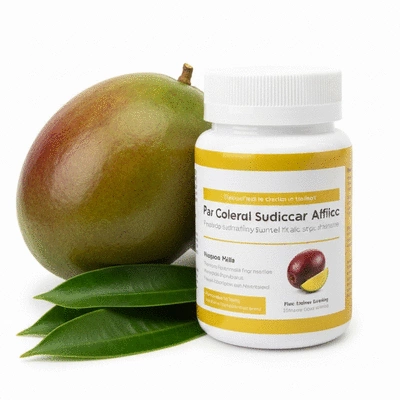
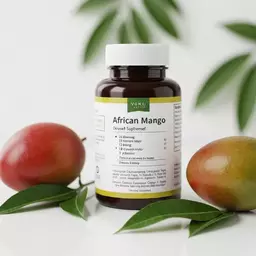
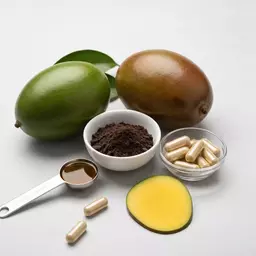
What if a simple natural supplement could help you achieve your weight loss goals? African mango, or Irvingia gabonensis, is gaining recognition for its potential health benefits, particularly in weight management. Let’s uncover the key insights about this tropical powerhouse!
What You Will Learn
African mango is rich in fiber, vitamins, and minerals, making it a nutrient-dense choice for weight management.
Scientific studies suggest that African mango may help reduce body fat and improve cholesterol levels through increased fat oxidation and appetite control.
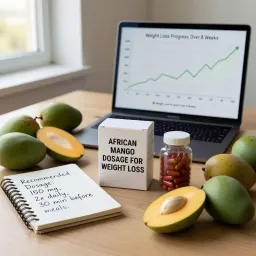
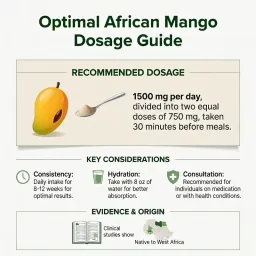
The recommended dosage of African mango extract ranges from 150 mg to 300 mg per day, ideally taken before meals for better absorption.
Consulting with healthcare professionals is vital before starting African mango supplements, especially if you have existing health conditions or take other medications.
Potential side effects, though generally mild, may include gastrointestinal discomfort; it's important to monitor your body's response.
Delve into the specifics of how African Mango measures up against other popular weight management supplements and key dosage recommendations. For a detailed guide on how to effectively use African Mango for weight loss, explore our African Mango dosage for weight loss article.
Supplement Comparison: African Mango vs. Others
Supplement
Key Benefits
Potential Downsides
African Mango
Appetite control, improved metabolism
Possible gastrointestinal discomfort
Green Tea Extract
Boosts metabolism, antioxidant properties
Caffeine sensitivity
Garcinia Cambogia
May inhibit fat production
Mixed research results
Dosage Guidelines
•Typical Range: 150 mg to 300 mg of extract per day.
•Timing: Best before meals for optimal absorption.
•Start Low: Begin with a lower dose to assess body response.
Potential Side Effects
•GI Discomfort: Bloating or diarrhea (listen to your body).
•Allergic Reactions: Rare, but possible.
•Medication Interactions: May affect absorption of certain drugs.
Always consult a healthcare professional before starting any new supplement.
Understanding African Mango and Its Benefits for Weight Loss
Have you ever stumbled upon a natural supplement that piqued your interest? African mango, scientifically known as Irvingia gabonensis, is one such gem that has gained attention for its potential health benefits, particularly for weight management. This tropical fruit, native to West Africa, is not just a culinary delight but also a powerhouse of nutrients that can support your health journey!
In this section, we'll explore what African mango is, its nutrient profile, the scientific research backing its weight loss claims, and how it stacks up against other weight management supplements. Let’s dive right in!
What is African Mango (Irvingia gabonensis)?
African mango is derived from the seeds of the Irvingia gabonensis tree, a plant that has been traditionally used in African medicine. The seeds contain a wealth of beneficial compounds that have sparked interest among health enthusiasts and researchers alike. These seeds are often ground into a powder and used in various supplements. For more information on its traditional uses and heritage, see our article on African Mango's Medicinal Heritage.
Native to West Africa
Used for centuries in traditional medicine
Comes from the fruit of the African mango tree
The growing popularity of African mango in the wellness community can be attributed to its remarkable ability to support weight management while offering other health benefits. This unique fruit is definitely worth your attention!
Nutrient Profile and Health Benefits
The nutrient profile of African mango is impressive, featuring essential vitamins, minerals, and fiber. It's rich in antioxidants, which can help combat oxidative stress in the body. Here are some key nutrients found in African mango:
Fiber: Aids in digestion and promotes a feeling of fullness
Vitamins: Includes Vitamin C, which supports immune function
Minerals: Contains magnesium and potassium, essential for overall health
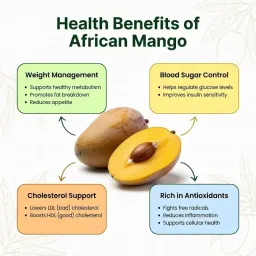
These nutrients contribute to the overall health benefits of African mango, which include improved metabolism, better appetite control, and enhanced weight management. Isn’t it exciting to think about how this natural resource can support your health goals?
Exploring Scientific Research on Weight Loss
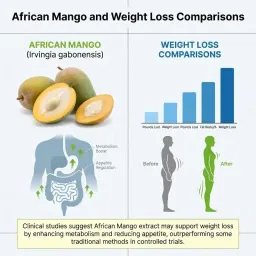
Scientific studies have shown promising results regarding the effectiveness of African mango for weight loss. Several clinical trials have indicated that this powerful supplement may help reduce body fat while also improving cholesterol levels. The primary mechanisms thought to be at play include:
Increased fat oxidation
Decreased appetite and cravings
Improved blood sugar regulation
As a researcher, I find the evidence surrounding African mango truly compelling. While more research is needed to fully understand all its benefits, the existing studies provide a strong foundation for considering African mango as a viable option in your weight management journey.
How African Mango Compares to Other Supplements for Weight Management
In a market flooded with weight management supplements, it can be tough to know which ones really work. African mango stands out due to its unique properties and benefits. Here’s how it compares to some common weight loss supplements:
Supplement
Key Benefits
Potential Downsides
African Mango
Appetite control, improved metabolism
Possible gastrointestinal discomfort
Green Tea Extract
Boosts metabolism, antioxidant properties
Caffeine sensitivity
Garcinia Cambogia
May inhibit fat production
Mixed research results
With its unique combination of benefits and minimal side effects, African mango offers a compelling alternative to other popular supplements. It’s a great option to consider if you’re looking for a natural approach to weight management!
Frequently Asked Questions About African Mango
What is African mango and how does it help with weight loss?
African mango, or Irvingia gabonensis, is a tropical fruit native to West Africa. Its seeds are used in supplements due to their rich fiber content, which aids digestion, promotes fullness, and can help reduce body fat and improve cholesterol levels by increasing fat oxidation and controlling appetite.
What is the recommended dosage for African mango extract?
The typical dosage for African mango extract ranges from 150 mg to 300 mg per day. It is generally recommended to take the supplement before meals for optimal absorption and effectiveness. It's always advisable to start with a lower dose to assess your body's response.
Are there any side effects associated with African mango supplements?
While African mango is generally considered safe, some individuals may experience mild gastrointestinal discomfort such as bloating or diarrhea. Allergic reactions are rare but possible. It's also important to note that African mango may interact with certain medications, so consulting a healthcare professional is crucial.
How does African mango compare to other weight loss supplements?
African mango stands out due to its unique combination of appetite control and improved metabolism, with generally mild side effects. Unlike some other supplements like Green Tea Extract (which can cause caffeine sensitivity) or Garcinia Cambogia (with mixed research results), African mango offers a natural approach with specific benefits in fat oxidation and blood sugar regulation.
Why is it important to consult a healthcare professional before taking African mango?
Consulting a healthcare professional is vital to ensure African mango is a good fit for you, especially if you have existing health conditions or are taking other medications. They can provide personalized advice and help you navigate any potential concerns or interactions, ensuring a safe and effective weight management journey.
We Want to Hear From You!
What has been your experience with natural supplements like African mango? Have you noticed any differences in your weight management journey? Share your thoughts below:
Summary of Key Points on African Mango Dosage
As we wrap up our discussion on African mango, it's essential to consolidate what we've learned about its dosage and safety precautions. In this section, I’ll provide a quick recap of the most vital points to keep in mind when considering African mango as a supplement for your weight loss journey.
Dosage Guidelines: The typical dosage ranges from 150 mg to 300 mg of African mango extract per day, depending on the specific product.
Timing: It's best to take African mango extract before meals for optimal absorption and effectiveness.
Safety Precautions: Always begin with a lower dose to assess your body's response and consult a healthcare professional if you’re on any medications.
Following these guidelines can help you maximize the benefits of this natural supplement while minimizing potential risks. Always remember that every individual’s body is unique, so what works for one person may vary for another!
The Importance of Consulting Healthcare Professionals
Before you embark on your journey with African mango, consult with a healthcare professional. They can provide tailored advice based on your health status and any existing conditions. This step is crucial for ensuring that African mango is a good fit for you, particularly if you're taking other medications or have underlying health issues.
Remember, your health journey should be a partnership, and having professional guidance can make a significant difference in your experience. Working with a knowledgeable healthcare provider can help you navigate any concerns and make informed decisions about your wellness journey.
Understanding Potential Side Effects of African Mango Usage
While African mango is generally considered safe, it's essential to be aware of potential side effects. Some users may experience mild gastrointestinal issues, such as bloating or diarrhea. It’s always a good idea to listen to your body and adjust your dosage accordingly. If any adverse effects occur, discontinue use and consult your healthcare provider.
Possible gastrointestinal discomfort including bloating or gas.
Allergic reactions: Though rare, some individuals may experience allergic responses.
Medication interactions: African mango may affect the absorption of certain medications.
Being informed about these side effects can empower you to make better choices and ensure a smoother experience with African mango.
Encouragement to Start Your Journey with African Mango
Now that you’re equipped with knowledge about African mango and its dosage, I encourage you to take the first steps in your weight loss journey! This powerful supplement can be a valuable addition to your wellness toolkit, especially when paired with healthy eating and regular physical activity.
Taking the First Steps in Your Weight Loss Journey
Starting your weight loss journey can feel overwhelming, but remember, every small step counts! Begin by incorporating African mango into your daily routine, and observe how your body responds. Creating a balanced diet alongside this supplement will enhance its effectiveness. Make it a habit to assess your progress regularly and adjust your approach as needed!
Join the Community: Share Your Experiences and Results
I invite you to be part of our community at Best African Mango! Share your experiences with African mango and how it has impacted your weight loss journey. Your insights can inspire others and create a supportive environment for everyone striving for wellness.
Exploring User Experiences and Consumer Reviews on African Mango Supplements
As you consider integrating African mango into your routine, take a moment to explore user experiences and consumer reviews. Hearing from others who have walked this path can provide valuable insights and boost your confidence in your decision. Check out our product reviews and community comments for firsthand experiences! For a comprehensive look at various options, consider our guide on choosing African Mango supplements wisely.
Recap of Key Points
Here is a quick recap of the important points discussed in the article:
African Mango: Derived from the seeds of Irvingia gabonensis, this fruit supports weight management and has been used in traditional medicine for centuries.
Nutrient Benefits: Rich in fiber, vitamins (like Vitamin C), and minerals, African mango aids digestion, boosts immunity, and promotes feelings of fullness.
Scientific Research: Studies suggest African mango may enhance fat oxidation, decrease appetite, and improve blood sugar regulation.
Dosage Guidelines: The recommended dosage ranges from 150 mg to 300 mg daily, taken before meals for best results.
Safety Precautions: Start with a lower dose, consult with a healthcare professional, and be aware of potential side effects like gastrointestinal discomfort.
Dr. Nia Abara
Dr. Nia Abara is a dedicated researcher and health advocate with a passion for natural wellness and nutrition. With a background in nutritional science, Dr. Abara provides evidence-based insights into the benefits and uses of African mango (Irvingia gabonensis). Through her expertise, she aims to empower health-conscious individuals and supplement researchers to make informed choices for their well-being.
Best African Mango Resources is dedicated to empowering health-conscious individuals and supplement researchers with reliable, evidence-based insights into African mango. Our mission is to demystify natural wellness and equip you with actionable knowledge for informed health choices.