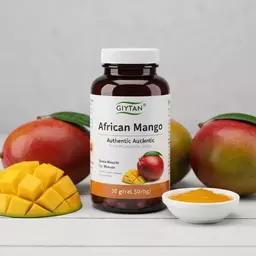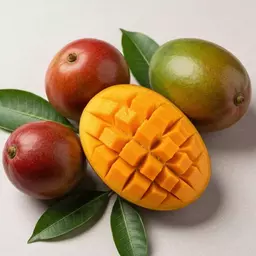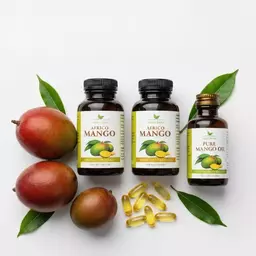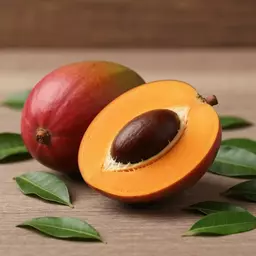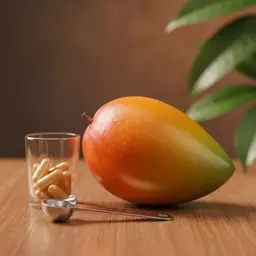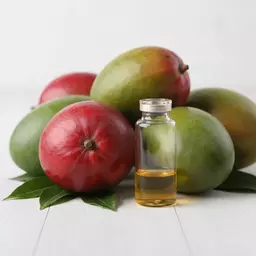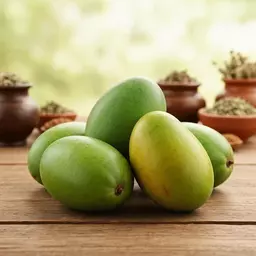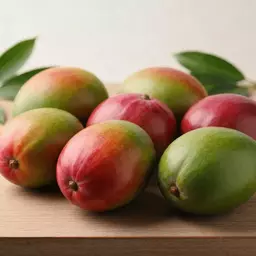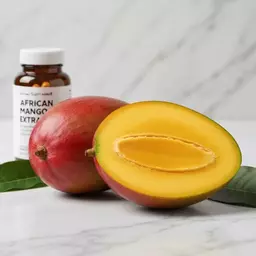
Distinguishing African Mango
- ✓Taste: More fibrous texture, less sweet than common mango.
- ✓Health Benefits: Primarily for weight loss & metabolic support (seeds).
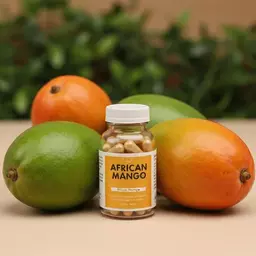
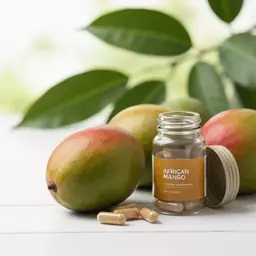
- ✓Usage: Mostly processed into supplement form.
In a world where superfoods are increasingly defining health trends, the African mango stands out for its impressive benefits. As interest in natural wellness solutions grows, understanding this remarkable fruit can empower your health journey. Here’s what you need to know about African mango and its potential impact on your well-being.
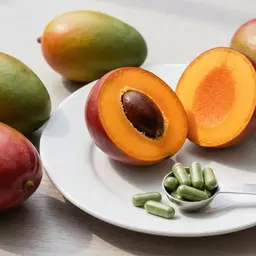
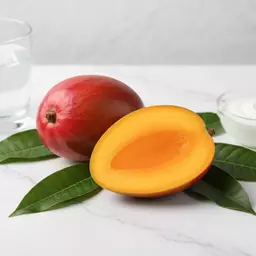
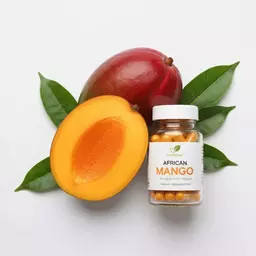
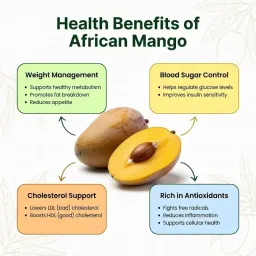
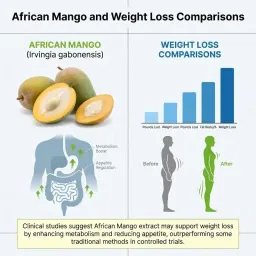
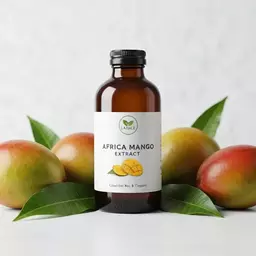
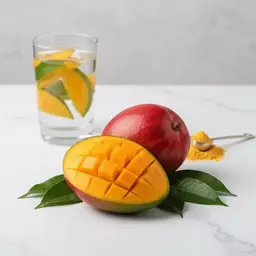
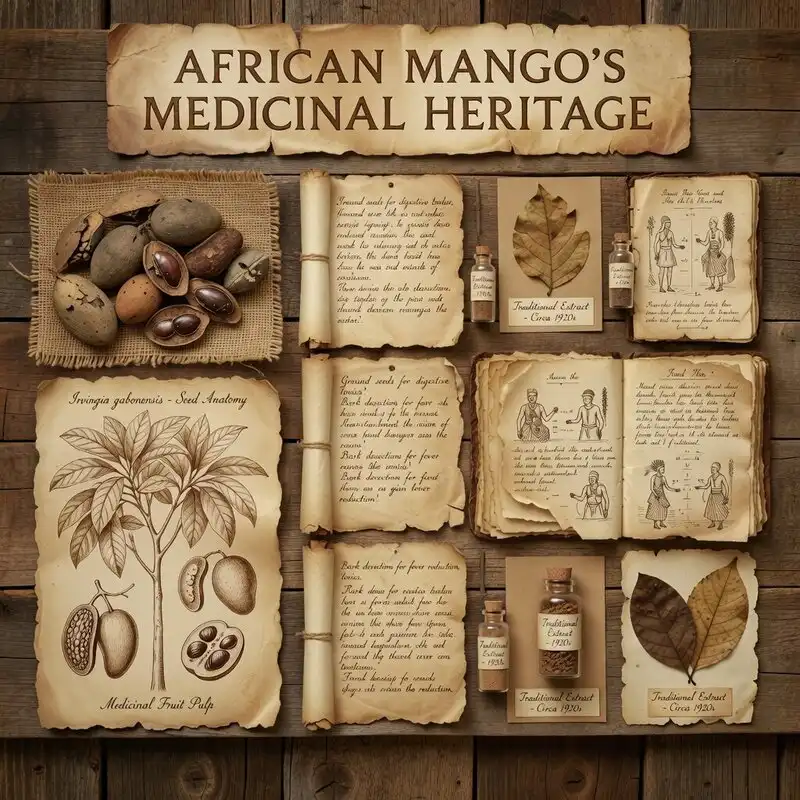
African mango (Irvingia gabonensis) stands apart from common mango due to its unique health benefits and rich traditional medicinal heritage. The visual below highlights these key distinctions and applications. For those interested in its weight management properties, exploring African mango and weight management provides further insights.
When it comes to African mango (Irvingia gabonensis), understanding its unique characteristics is crucial. This remarkable tree is native to the tropical regions of West Africa and bears fruit that is not only delicious but also packed with potential health benefits. At Best African Mango, we aim to provide you with reliable and detailed information about this powerful natural supplement, so you can make informed decisions for your wellness journey!
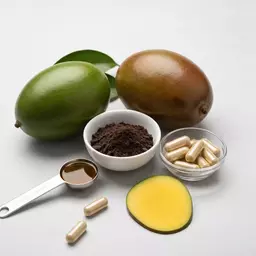
African mango is often referred to as a superfood due to its rich nutrient profile. The seeds of the fruit are the most commonly used parts in health supplements, believed to aid in weight management and overall wellness. It's exciting to think about how this single seed can contribute to your health goals!
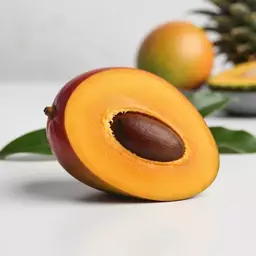
African mango is not just any mango—it's a specific species that offers distinct health benefits. The fruit comes from the Irvingia gabonensis tree, which produces small, green mango-like fruits. These fruits contain seeds that are rich in fiber and essential nutrients, making them a valuable addition to any health regimen.
By harnessing the power of African mango seeds, individuals can tap into their potential for weight management and improved health! For more details on various applications, consider learning about the health benefits of African mango.
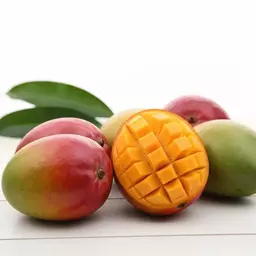
It’s easy to confuse African mango with the common mango found in many supermarkets, but they are quite different. While both are delicious and nutritious, African mango is specifically noted for its concentrated health benefits, especially in the realm of weight management. Common mangoes are typically enjoyed fresh, while African mango seeds are often processed into supplements.
Understanding these differences can help you make better choices, particularly if you're looking to incorporate the health benefits of African mango into your diet!
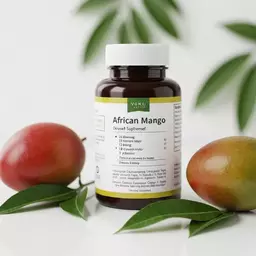
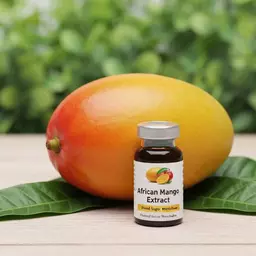
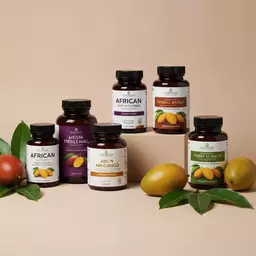
When selecting an African mango supplement, look for products that contain a standardized extract with at least 10% Irvingia gabonensis. This ensures you're getting a potent dose, maximizing its health benefits for weight management and overall wellness!
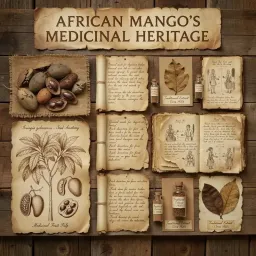
The journey of African mango, or Irvingia gabonensis, is steeped in a rich tapestry of traditional medicinal practices. Across various African cultures, this remarkable plant has been utilized for centuries due to its health benefits and cultural significance. Let’s explore how African mango has become a staple in both cultural and medicinal practices.
Many indigenous communities have relied on African mango not just for its nutritional value but also for its medicinal properties. The seeds, bark, leaves, and roots have unique applications that demonstrate the plant's versatility and importance. Understanding this heritage allows us to appreciate the profound respect these communities have for their natural resources.
African mango plays a pivotal role in both cultural rituals and everyday health maintenance. Here are some key impacts:
These factors contribute to the ongoing significance of African mango in health and well-being practices. As I delve into this plant’s applications, I often reflect on how much we can learn from the traditional knowledge embedded in these practices.
It’s essential to recognize and respect the traditional knowledge surrounding African mango. This respect is not just about acknowledgment; it involves promoting sustainable practices that ensure the plant's longevity. I advocate for:
By prioritizing these sustainable practices, we can help protect the integrity of African mango and its role within local medicinal systems.
Folk remedies utilizing African mango are a testament to the plant’s enduring legacy. Many people today are turning to these traditional applications as they seek natural solutions to health issues. Common folk remedies include:
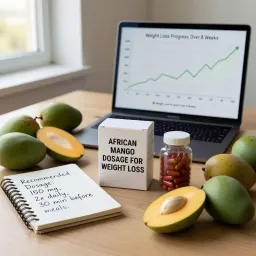
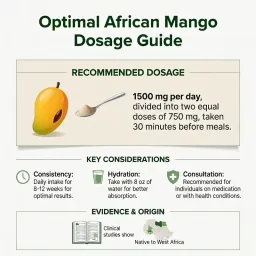
As I continue to explore the applications of African mango, I am inspired by how these folk remedies resonate with modern wellness trends. They remind us that nature often provides solutions that are both effective and culturally relevant. For those considering integrating African mango into their routine, our African mango dosage for weight loss guide offers valuable information.
Here is a quick recap of the important points discussed in the article:
A: African mango (Irvingia gabonensis) is distinct from common mango primarily in its health benefits, particularly for weight management and metabolic support. It has a more fibrous texture and is often consumed in supplement form, while common mango is typically eaten fresh for its sweet taste and vitamin content.
A: African mango seeds are known for several health benefits, including supporting weight management by curbing appetite and enhancing fat oxidation, helping to maintain stable blood sugar levels due to their low glycemic index, and providing essential nutrients that contribute to overall wellness.
A: Traditionally, African mango has been used in various indigenous communities for both its nutritional value and medicinal properties. The seeds are often ground into powder for healing purposes, and different parts of the plant, including bark, leaves, and roots, have unique applications in folk remedies for issues like weight management, digestive health, and blood sugar control.
A: Sustainable harvesting is crucial for African mango to ensure the plant's longevity and preserve its natural habitats. It involves practices that do not harm the environment, education on its ecological importance, and engaging local communities in conservation efforts to maintain both the plant's integrity and its role in traditional medicinal systems.
A: Yes, African mango has been traditionally and scientifically noted for its potential to aid in weight management. Its seeds are believed to help curb appetite and enhance fat metabolism, making it a popular ingredient in natural health supplements aimed at supporting weight loss goals.
Dr. Nia Abara is a dedicated researcher and health advocate with a passion for natural wellness and nutrition. With a background in nutritional science, Dr. Abara provides evidence-based insights into the benefits and uses of African mango (Irvingia gabonensis). Through her expertise, she aims to empower health-conscious individuals and supplement researchers to make informed choices for their well-being.