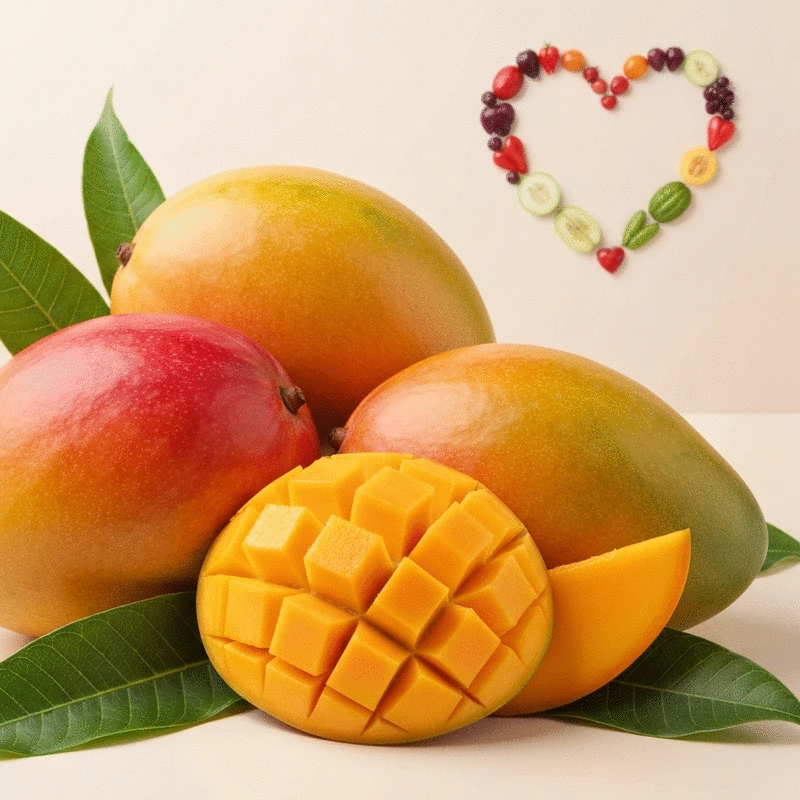
Overall Cholesterol
African mango supports balanced lipid profiles.
↓
Helps in **reducing total serum cholesterol levels** for better cardiovascular health.
As you embark on your journey to better heart health, consider the profound impact of incorporating African mango into your daily routine. This superfruit is more than just a trendy addition to your diet; it holds the potential to transform your wellness approach significantly!
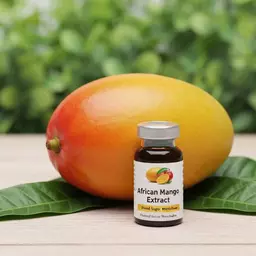
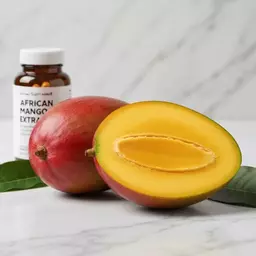
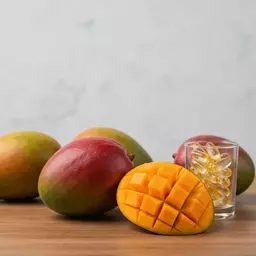
African Mango (Irvingia gabonensis) has shown promising effects on various lipid profiles, contributing to improved heart health. The visual below summarizes its impact on key cholesterol markers.
African mango supports balanced lipid profiles.
Helps in **reducing total serum cholesterol levels** for better cardiovascular health.
Directly targets harmful cholesterol.
Contributes to a **reduction in low-density lipoprotein**, lowering heart disease risk.
Supports healthy cholesterol that protects the heart.
May **increase high-density lipoprotein**, which helps remove cholesterol from arteries.
Crucial for reducing overall fat content in the blood.
Aids in the **reduction of triglyceride levels**, further protecting heart health.
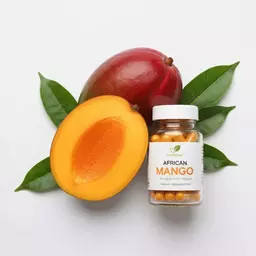
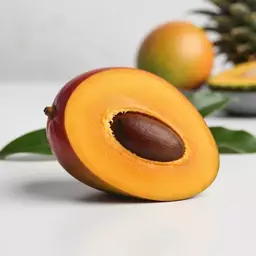
The African mango, scientifically known as Irvingia gabonensis, has gained recognition in the health community for its potential benefits, especially regarding heart health. Native to West and Central Africa, this remarkable fruit has been utilized for centuries in traditional medicine. Its seeds are prized not only for their nutritional value but also for their ability to support various health aspects, including cholesterol management and overall wellness. At Best African Mango, we strive to share the evidence-based insights that underline the importance of this superfruit.
Incorporating African mango into your diet could be a game changer for your health journey. Historically, it has been linked to various medicinal uses, such as appetite regulation and improved metabolic health. Let’s explore how African mango specifically impacts cholesterol levels and contributes to heart health! For more information on its broader advantages, explore the health benefits of African mango.
To fully appreciate the effects of African mango, it’s essential to understand its active components. The seeds contain a variety of nutrients, including fiber, vitamins, and antioxidants, which work synergistically to support health. When considering African mango, think about these key aspects:
By maintaining a holistic view of African mango, it becomes clear why it’s considered a valuable addition to a health-conscious lifestyle. The seeds have been shown to have properties that can positively influence metabolic functions, supporting the body's efforts in maintaining healthy cholesterol levels.
Research indicates that African mango may have a significant impact on cholesterol levels by affecting various lipid profiles. Specifically, it's suggested that African mango helps to lower total cholesterol, LDL (low-density lipoprotein), and triglycerides while potentially raising HDL (high-density lipoprotein) levels. This dual effect can be crucial for those looking to maintain a healthy heart.
Key effects include:
Such lipid profile improvements are essential not just for heart health but also for overall well-being. As I’ve shared with many of my clients at Best African Mango, understanding how these changes occur can empower individuals to make informed decisions about their health. For guidance on choosing the right product, consider choosing African mango supplements wisely.
Beyond cholesterol management, African mango is thought to possess cardioprotective properties, which can contribute to overall heart health. Its rich antioxidant content helps combat oxidative stress, a significant contributor to cardiovascular diseases. By incorporating African mango into your daily routine, you may experience:
At Best African Mango, our mission is to empower you with knowledge about how African mango can play a role in your heart health. With its multifaceted benefits, it's no wonder this fruit is gaining popularity among health-conscious individuals.
Let’s delve deeper into the scientific findings regarding African mango and its heart health benefits! Stay tuned for insights from clinical trials and research that highlight the significant impact this natural supplement can have on your overall well-being.
For maximum benefits, consider pairing African mango with a diet rich in omega-3 fatty acids. Foods like salmon, chia seeds, and walnuts not only complement the cholesterol-lowering effects of African mango but also provide additional heart health benefits. This combination can enhance your overall well-being and support cardiovascular health!
As we wrap up our discussion, it’s clear that African mango (Irvingia gabonensis) offers a multitude of benefits for heart health. From its potential to lower cholesterol levels to its cardioprotective properties, this remarkable supplement could be a valuable ally in your wellness journey. By focusing on the impacts it has on total cholesterol, LDL, HDL, and triglycerides, it becomes evident how integral this natural resource is to maintaining a healthy cardiovascular system.
Moreover, the scientific evidence supporting these claims is compelling, with numerous studies highlighting the positive effects of African mango on heart health. If you're looking for a natural approach to managing your cholesterol and enhancing your overall well-being, African mango is certainly worth considering!
Ready to give African mango a try? Here are some practical tips to help you incorporate it into your routine:
Remember, the integration of this supplement into your daily regimen should be tailored to your specific health goals. I always recommend consulting with a healthcare professional for personalized advice!
To further enhance your heart health, consider combining African mango with omega-3 fatty acids. These essential fats are known for their ability to support cardiovascular health. Here are some tasty sources of omega-3s you might enjoy:
By incorporating these omega-3 rich foods into your diet alongside African mango, you’ll be taking significant steps towards a healthier heart! For more detailed information on supplementation, refer to our guide on African mango capsules, powders, and extracts.
As you explore the benefits of African mango, I encourage you to consult with your healthcare provider. Keeping informed through ongoing research is crucial for making the best choices for your health. Together, we can foster a community dedicated to health and wellness, empowered by knowledge and natural solutions!
African mango, or Irvingia gabonensis, is a superfruit native to West and Central Africa. Its seeds are known to contain nutrients like fiber and antioxidants that can help lower total cholesterol, LDL (bad cholesterol), and triglycerides, while potentially increasing HDL (good cholesterol), thus supporting overall heart health and reducing the risk of cardiovascular diseases.
African mango has been shown to positively influence lipid profiles. It helps in reducing total serum cholesterol and low-density lipoprotein (LDL), often referred to as "bad cholesterol." Additionally, it may increase high-density lipoprotein (HDL), or "good cholesterol," which helps remove harmful cholesterol from arteries, and aids in reducing triglyceride levels.
Yes, African mango is believed to possess cardioprotective properties. Its rich antioxidant content helps combat oxidative stress and may help mitigate chronic inflammation, which are significant contributors to cardiovascular diseases. Improved circulation also supports better heart function and can help reduce blood pressure.
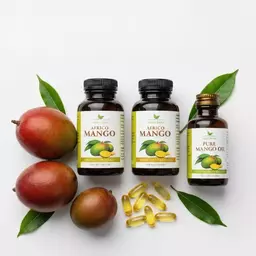
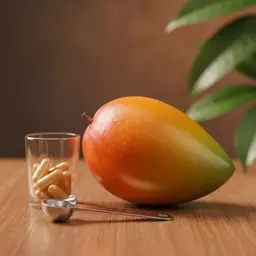
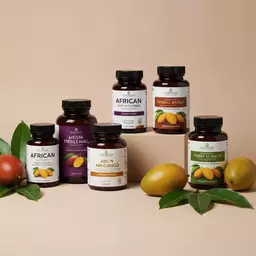
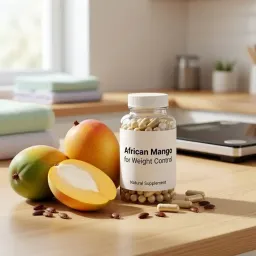
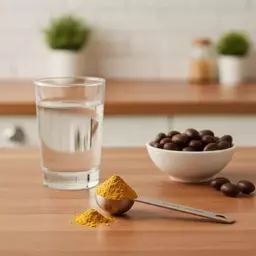
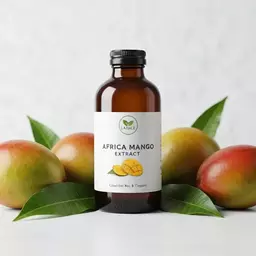
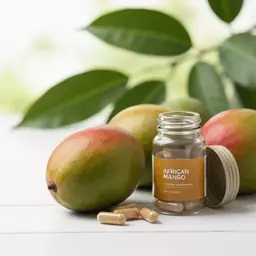
African mango can be incorporated into your diet through standardized extracts. You can find it in capsules, powders, or liquid extracts. Powdered forms can be added to smoothies, oatmeal, or yogurt for a nutritious boost. It's always recommended to consult with a healthcare professional for personalized dosage advice.
Yes, for enhanced heart health benefits, consider combining African mango with a diet rich in omega-3 fatty acids. Excellent sources include fatty fish (like salmon, mackerel, and sardines), chia seeds, flaxseeds, walnuts, and hemp seeds. This combination can further support cardiovascular wellness.
Here is a quick recap of the important points discussed in the article:
Dr. Nia Abara is a dedicated researcher and health advocate with a passion for natural wellness and nutrition. With a background in nutritional science, Dr. Abara provides evidence-based insights into the benefits and uses of African mango (Irvingia gabonensis). Through her expertise, she aims to empower health-conscious individuals and supplement researchers to make informed choices for their well-being.