Making Informed Decisions
Weigh benefits against potential side effects, consider individual health goals, and prioritize quality supplements (standardized extracts, certifications). Always consult a healthcare professional for personalized advice.
Have you ever considered the potential of a single fruit to transform your wellness journey? African mango (Irvingia gabonensis) is making waves for its promising benefits, particularly in weight management and overall health. Let’s uncover what this tropical gem has to offer!
This visual summarizes the key benefits and potential side effects of African Mango, highlighting its impact on health and wellness.
Weigh benefits against potential side effects, consider individual health goals, and prioritize quality supplements (standardized extracts, certifications). Always consult a healthcare professional for personalized advice.
Exploring the world of natural wellness, I often come across African mango (Irvingia gabonensis), a vibrant fruit known for its potential health benefits. But what exactly is African mango, and how does it work? Rooted in traditional medicine, this powerful fruit has gained popularity for its weight management properties and overall wellness benefits. Let’s dive into the details of how it can support your health journey!
African mango is derived from the seeds of the African mango tree, which is predominantly found in West Africa. The extract from these seeds contains unique compounds that may enhance metabolism and aid in weight loss. By influencing key hormones related to appetite and fat storage, African mango can play a crucial role in your wellness routine. For more in-depth information on its health advantages, explore the health benefits of African mango.
Understanding how African mango functions is essential for anyone considering incorporating it into their lifestyle. The active components in the extract interact with the body’s metabolic processes, potentially leading to better fat utilization and energy expenditure. This can help to reduce body fat while also supporting healthy blood sugar levels.
These mechanisms can help many individuals manage their weight more effectively. As someone passionate about natural wellness, I appreciate how African mango can empower individuals to take control of their health through informed choices.
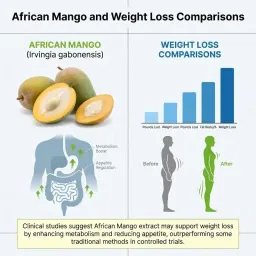
Now, let’s take a closer look at the specific weight loss benefits of African mango extract. Many users report significant changes in both body composition and overall wellness. This extract is particularly notable for its effectiveness in supporting weight management. Imagine feeling more confident in your body as you work towards your health goals!
Users of African mango often seek two primary benefits: body fat reduction and cholesterol management. Research indicates that the extract can support fat loss while simultaneously promoting healthy cholesterol levels. This dual action makes it a compelling choice for those looking to improve their health holistically.
As I guide readers through the insights I've gathered, it’s clear that African mango can be a valuable ally in your weight management journey! To optimize your results, consider reviewing our timing your African mango supplements guide.
Another significant aspect of African mango is its high dietary fiber content. Fiber plays a crucial role in appetite suppression, making you feel fuller for longer periods. When incorporating African mango into your diet, you may notice a reduction in hunger pangs that can derail your wellness efforts.
Incorporating African mango into your routine not only aids in weight management but also promotes a healthier lifestyle overall!
While the benefits of African mango are encouraging, it’s equally important to consider potential side effects. Understanding these aspects can empower you to make well-informed decisions about your health. Let's explore what you might expect.
Some users have reported mild side effects when using African mango supplements. These may include headaches, insomnia, or digestive discomfort. It’s crucial to note that individual experiences can vary, and these effects are often manageable.
As you embark on your wellness journey, it’s always beneficial to monitor your body’s reactions. If you encounter any unexpected symptoms, consider adjusting your dosage or consulting with a healthcare professional.
Interestingly, some studies suggest that reported side effects might occur at rates similar to those seen in placebo groups. This raises important questions about the true impact of African mango. While mild symptoms might occur, they typically do not outweigh the potential benefits.
It’s important to approach any supplement with caution, especially concerning long-term use. Currently, there is limited research on the long-term safety of African mango, making ongoing evaluation essential. As a health advocate, I encourage individuals to stay informed.
As with any supplement, allergic reactions are possible, albeit rare. Some users might experience gastrointestinal issues, but these can often be mitigated by adjusting the dosage. Keeping an open dialogue with your healthcare provider ensures a safe and effective experience with African mango.
Did you know? When incorporating African mango into your diet, pairing it with a balanced meal rich in protein and healthy fats can enhance its appetite-suppressing effects. This combination helps to stabilize your blood sugar levels, making your weight management journey even more effective!
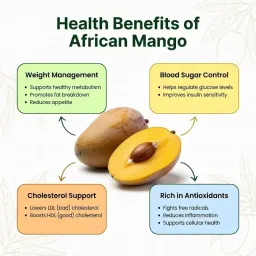
African mango (Irvingia gabonensis) is a tropical fruit whose seed extract is known for enhancing metabolism, controlling appetite, supporting stable blood sugar, and aiding in weight management and cholesterol improvement.
African mango aids weight loss by enhancing metabolism, promoting faster calorie burn, suppressing appetite through its high dietary fiber content, and potentially reducing body fat accumulation.
Common side effects can include headaches, insomnia, and gastrointestinal issues such as bloating or gas. These are generally mild, and individual experiences may vary.
Choosing a high-quality African mango supplement is crucial. Look for standardized extracts, typically containing at least 10% Irvingia gabonensis, and certifications from reputable organizations to ensure purity and potency.
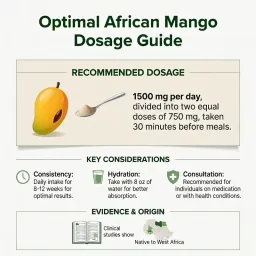
A typical daily intake of 150-300 mg of African mango extract is often suggested. It is usually recommended to take it about 30 minutes before meals to help with appetite control. Always check product labels for specific guidelines and consult a healthcare professional for personalized advice.
When considering the incorporation of African mango into your wellness regimen, it’s essential to weigh the benefits against potential side effects. This powerful natural supplement has gained popularity, but understanding its effects can empower you to make informed choices. The key is finding a balance between the promising benefits and the possible risks.
One of the first steps in this process is to identify what you hope to achieve with African mango. Are you looking for weight management, improved energy levels, or better overall health? Knowing your goals can help you assess whether the advantages truly outweigh any concerns about side effects.
Many users report positive outcomes when taking African mango supplements, but it’s crucial to remain aware of any adverse reactions. Here’s a quick overview of the benefits and potential side effects to keep in mind:
By weighing these factors, you can better understand whether African mango is suitable for your health journey. It’s all about making educated decisions that align with your personal wellness goals!
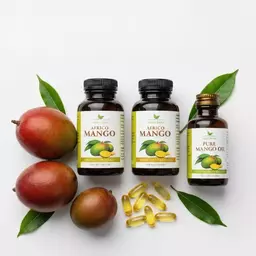
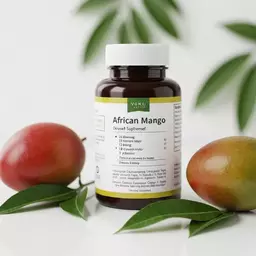
Choosing a high-quality African mango supplement is essential for ensuring you receive the benefits without unnecessary additives or contaminants. With so many options available, it’s important to look for products that are third-party tested and provide clear information on sourcing and formulation.
Remember, investing in a quality supplement not only supports your health but also builds confidence in your wellness journey. You deserve the best!
To maximize the benefits of African mango, it’s essential to follow the recommended dosage. Typically, a daily intake of 150-300 mg of the extract is suggested. Additionally, consider the timing of your doses; taking it 30 minutes before meals may support appetite control effectively!
Always consult product labels for specific guidelines, as different brands may have varying recommendations. And, if you’re ever uncertain, don’t hesitate to reach out to a healthcare professional for personalized advice. For a detailed guide on appropriate intake, refer to our article on African mango dosage for weight loss.
Staying informed about the latest research on African mango can help you make better health choices. This supplement is an exciting area of study, with new findings emerging regularly. As we continue to explore its benefits and uses, keeping up-to-date can enhance your understanding and effectiveness of the supplement.
One way to stay on top of the latest developments is to regularly check reputable health websites and scientific journals. Here are some ways to keep your knowledge fresh:
By actively engaging with the community and resources, you can empower yourself with knowledge and make more informed decisions regarding African mango.
I would love to hear from you! Sharing your experiences or asking questions can foster a supportive community around African mango. Your insights may help others on their wellness journeys too!
User reviews can offer a wealth of information about the effectiveness of different African mango products. They provide real-world insights into how the supplement works for various individuals.
By engaging with others and sharing your experiences, you contribute to a community dedicated to natural wellness. Together, we can enhance our understanding of African mango and its place in our health journeys! Don't forget to check back for new insights and updates!
Here is a quick recap of the important points discussed in the article:
Dr. Nia Abara is a dedicated researcher and health advocate with a passion for natural wellness and nutrition. With a background in nutritional science, Dr. Abara provides evidence-based insights into the benefits and uses of African mango (Irvingia gabonensis). Through her expertise, she aims to empower health-conscious individuals and supplement researchers to make informed choices for their well-being.