Recommended Dosage Range
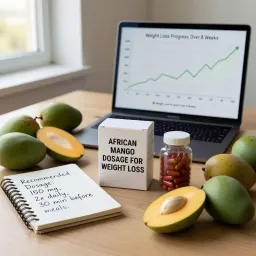
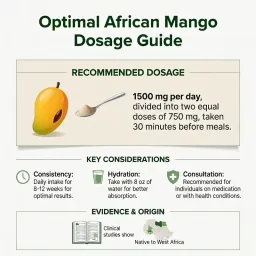
150 mg to 300 mg
per day, supported by clinical studies for weight management.
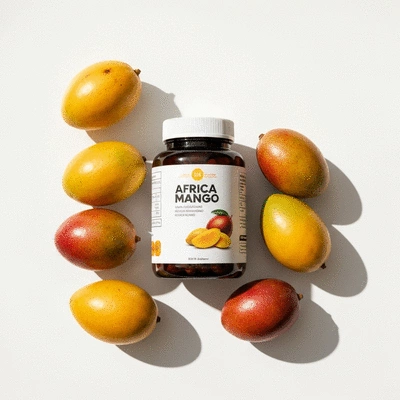
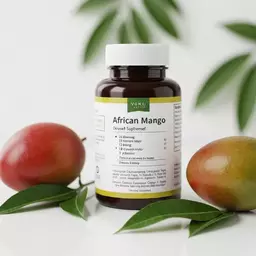
As you embark on your wellness journey, consider the remarkable potential of African mango. This tropical fruit is more than just a trend; it's a natural ally in achieving your weight management goals. With its impressive nutritional profile and scientifically-backed benefits, African mango stands out as a supplement worth exploring.
Understanding the recommended African mango dosage for weight loss and its implications is key to safely and effectively using African mango supplements.
150 mg to 300 mg
per day, supported by clinical studies for weight management.
No Significant Benefit
Do not significantly enhance weight loss outcomes.
Increased Side Effects
Without proportional benefits (e.g., digestive issues, headaches).
Have you ever heard of African mango, or Irvingia gabonensis? This tropical fruit has gained popularity in health circles for its impressive weight loss benefits. African mango is not just a fruit; it's a powerhouse of nutritional value that can help you on your wellness journey. In this section, we’ll break down what this amazing supplement is and how it can aid in weight management!
As someone who is passionate about natural wellness, I truly believe that understanding the properties of African mango allows us to make informed decisions about our health. So, let’s dive deeper into what makes this fruit special!
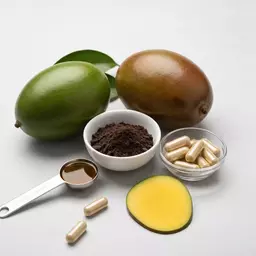
African mango is derived from the seed of the fruit native to West Africa. Traditionally, it has been used for its medicinal properties, particularly to support weight loss and improve overall health. The seeds are rich in fiber, healthy fats, and essential nutrients, making them a valuable addition to any diet.
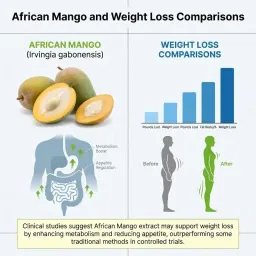
Many studies have highlighted its remarkable ability to aid weight management by influencing metabolism and appetite regulation. This is why at Best African Mango Site, we emphasize the importance of integrating this supplement into your health routine! For more on how this fruit assists with weight management, consider African Mango and Weight Management.
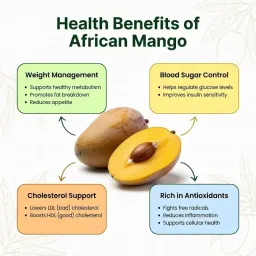
So, how does African mango help with weight management? Let's explore some of its key benefits:
These benefits make African mango a fantastic choice for anyone looking to shed those extra pounds. But let’s delve deeper into each of these aspects!
Research indicates that African mango can significantly reduce body fat percentage. In a clinical trial, participants who took African mango extract experienced a notable decrease in fat mass. This is attributed to its unique compounds that enhance fat oxidation and metabolism. Imagine feeling lighter and more energized as you move through your day!
Another exciting benefit of African mango is its ability to support metabolic health. Studies show that incorporating this supplement can lead to lower cholesterol levels and improved blood sugar regulation. This is crucial for maintaining overall health and preventing chronic diseases.
African mango is known for its appetite-suppressing properties. It works by promoting feelings of fullness and reducing cravings, making it easier for you to stick to a healthy eating plan. Imagine having more control over your hunger—how empowering is that?
While we focus on weight management, African mango also offers other health benefits. These include enhanced digestion, improved energy levels, and potential antioxidant effects. This means that not only can you work towards your weight goals, but you can also support your overall well-being!
Understanding the right dosage is essential for maximizing the benefits of African mango. But, before we dive into specifics, let’s first outline some recommended ranges and clear any confusion!
Stay tuned as we unpack these insights, ensuring you have the information necessary to make the best choices for your health journey!
To maximize the weight loss benefits of African mango, consider pairing it with a balanced diet and regular exercise. This combination not only enhances the effects of the supplement but also supports overall health and well-being. Remember, consistency is key!
When it comes to incorporating African mango (Irvingia gabonensis) into your wellness routine, understanding the right dosage is crucial. This potent natural supplement offers various health benefits, but the effectiveness can vary based on how much you take. Let’s dive into some evidence-based recommendations for dosage, ensuring you get the most out of this remarkable fruit!
Research suggests that a typical effective dose of African mango extract ranges from 150 mg to 300 mg per day. This range is generally supported by clinical studies that highlight its weight management properties and benefits for overall wellness. Here are some important points to consider when determining your dosage:
By carefully following these dosage guidelines, you can optimize the benefits of African mango while minimizing any potential side effects.
Many people believe that taking higher doses of any supplement will yield better results, but this isn’t always the case with African mango. In fact, more is not necessarily better!
Always remember, moderation is key. It’s wise to consult with a healthcare professional to tailor your dosage to your specific needs. This personalized approach can help you achieve optimal results without unnecessary risks.
Before starting any new supplement, understanding its safety profile is essential. The good news is that African mango has been found to be generally safe for most people when taken at recommended doses. Commonly reported side effects are mild and can include:
Monitoring your body’s reactions when you first start taking African mango is crucial. If you experience any adverse effects, it’s best to stop taking it and consult with a healthcare provider. Overall, ensuring you are informed about the safety of the extract is a great step toward successful weight management.
As you consider adding African mango to your wellness journey, making informed decisions is key! You want to ensure that you’re not just choosing a supplement, but one that truly supports your health goals.
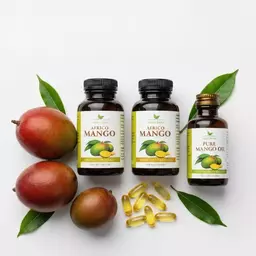
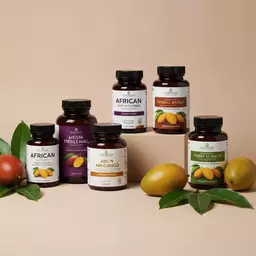
While many supplements claim to contain African mango, not all are created equal. Here are some tips on finding quality products:
By taking these steps, you can ensure that you’re getting a high-quality supplement that aligns with your health objectives. For a comprehensive guide on choosing quality products, check out our article on Choosing African Mango Supplements Wisely.
Before starting any new supplement, including African mango, I always recommend consulting with a healthcare professional. A doctor or nutritionist can provide personalized advice based on your health history, helping you make the best choices for your well-being!
Finally, familiarize yourself with health official guidelines regarding dietary supplements. Organizations such as the FDA provide valuable resources that can help you navigate the world of natural supplements responsibly. Staying informed ensures that you’re not only choosing effective products but also using them safely.
Incorporating African mango into your routine can be an exciting step towards achieving your health goals! With the right knowledge and precautions, you’ll be well on your way to experiencing its remarkable benefits.
Here is a quick recap of the important points discussed in the article:
Dr. Nia Abara is a dedicated researcher and health advocate with a passion for natural wellness and nutrition. With a background in nutritional science, Dr. Abara provides evidence-based insights into the benefits and uses of African mango (Irvingia gabonensis). Through her expertise, she aims to empower health-conscious individuals and supplement researchers to make informed choices for their well-being.