Mechanisms of Blood Sugar Control
- ✓Terminalin: Supports glucose uptake in cells.
- ✓PTPN1 Inhibition: Improves insulin sensitivity by blocking an enzyme.
Exploration of how African Mango (Irvingia gabonensis) aids in blood sugar control and its long-term implications.
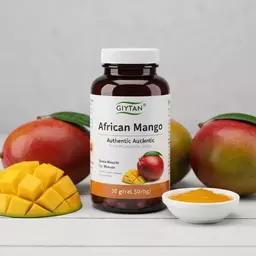
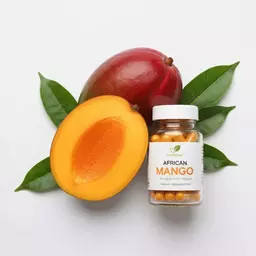
As someone who is deeply passionate about natural wellness and nutrition, I often find myself captivated by the unique properties of certain superfoods. One such superfood that has been gaining attention is the African mango, or Irvingia gabonensis. In this section, we will explore what African mango is and how it may play a significant role in managing diabetes.
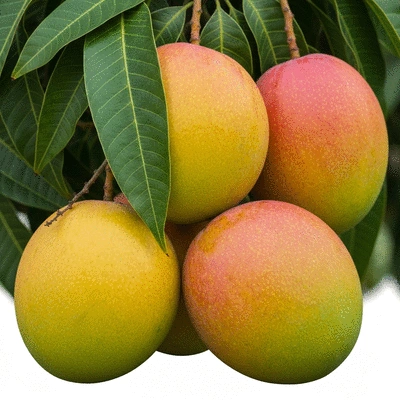
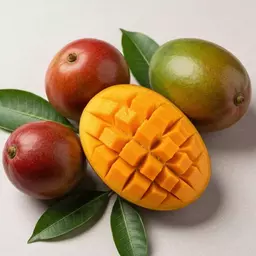
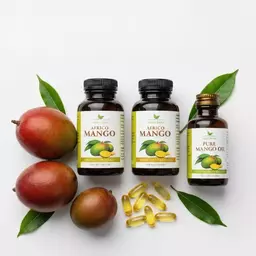
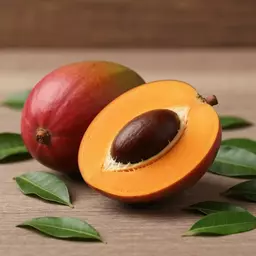
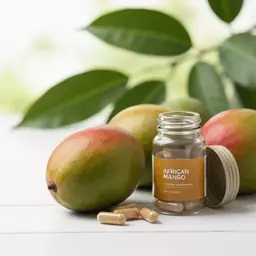
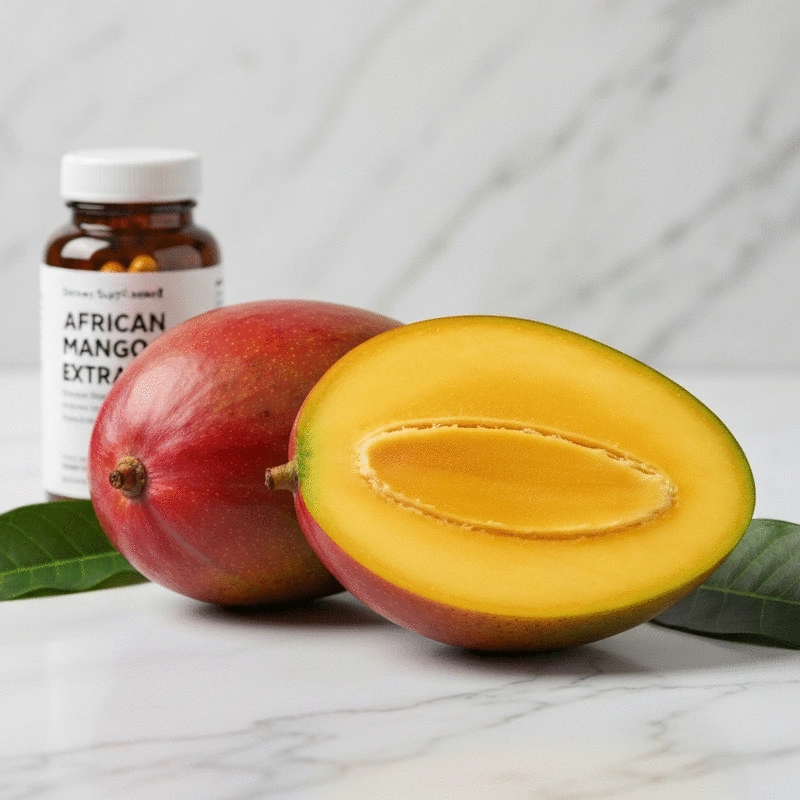
African mango is derived from the seeds of the Irvingia gabonensis tree, native to West Africa. Traditionally, the fruit has been a part of local diets, celebrated not only for its flavor but also for its health benefits. The extract from the seeds is now extensively studied for its potential effects on weight management and blood sugar control.
Given these properties, it’s no wonder that researchers are examining its role in diabetes management. Understanding the benefits of African mango can empower individuals to take charge of their health.
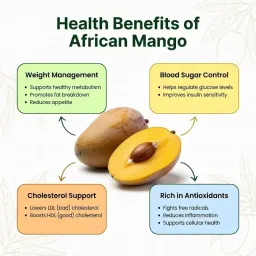
There’s promising evidence that African mango can aid in blood sugar control, an essential factor for those managing diabetes. The compounds found in this superfood are believed to work through various mechanisms that enhance insulin sensitivity and glucose uptake.
One of the key players in this process is Terminalin, a compound present in African mango. Research suggests that Terminalin supports glucose uptake in cells, which helps lower blood sugar levels. Imagine having a natural aid that boosts your body’s ability to manage sugar effectively!
Another fascinating aspect is how African mango may inhibit PTPN1, an enzyme that negatively influences insulin signaling. By inhibiting this enzyme, African mango can potentially improve insulin sensitivity, making it easier for your body to utilize glucose. This could lead to more stable blood sugar levels and a healthier metabolic profile.
Not only does African mango possess properties that assist in blood sugar management, but it is also packed with nutritional benefits. One of the standout features is its high fiber content, which plays a critical role in digestive health.
Additionally, African mango is rich in phytochemicals, which are compounds that have been linked to various health benefits. These nutrients not only contribute to overall wellness but also bolster the body’s defenses against chronic diseases, including diabetes.
To maximize the benefits of African mango in your diabetes management plan, consider pairing it with a diet rich in whole foods and low in processed sugars. This synergistic approach can enhance insulin sensitivity and support overall metabolic health.
When considering African mango (Irvingia gabonensis) as part of your diabetes management plan, it's crucial to think about its long-term safety and efficacy. While many studies have highlighted its potential benefits, there is a growing need for comprehensive research focused on the long-term effects of this natural supplement. As a health advocate, I understand how vital it is to make informed decisions about supplements like African mango, especially in the context of chronic conditions like diabetes.
Current clinical evidence is promising, but we must recognize the gaps in long-term data regarding the sustained use of African mango. This is particularly important for individuals managing diabetes, as ongoing safety and monitoring are essential for effective care.
To better understand how African mango can support long-term health, more extensive clinical trials are necessary. While preliminary findings are encouraging, we need robust evidence to establish its long-term safety profiles and efficacy. Here are some areas where research is particularly needed:
As an advocate for natural wellness, I encourage readers to stay informed about the latest research as it unfolds. This proactive approach will ensure that we can continue to incorporate African mango safely into our health routines.
Despite the intriguing benefits of African mango, several gaps in clinical evidence remain. For example, while many studies focus on short-term effects, there’s limited information on how prolonged use affects individuals over time. Understanding these long-term outcomes is critical for anyone considering African mango as a dietary supplement. We must also consider:
As more studies emerge, it will help paint a clearer picture of how African mango can be utilized effectively in diabetes management.
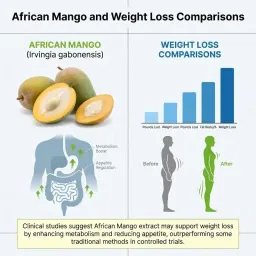
Emerging research on obesity and diabetes prevention provides valuable insights into the potential role of African mango. Studies indicate that this supplement may play a part in weight management, which is closely linked to diabetes control. As part of a broader wellness strategy, incorporating African mango could assist in:
These insights underscore the importance of a holistic approach to diabetes management, where African mango can be a beneficial component. However, always consult with healthcare professionals to ensure it fits well within your personal health strategy.
African mango, or Irvingia gabonensis, is a superfood derived from a West African tree. Its seeds contain compounds like Terminalin that support glucose uptake in cells and may inhibit PTPN1, an enzyme that affects insulin signaling, thereby helping to improve insulin sensitivity and manage blood sugar levels.
Yes, Terminalin is a key compound found in African mango that is believed to enhance glucose uptake. Additionally, African mango may inhibit PTPN1, an enzyme that negatively affects insulin sensitivity.
African mango is rich in essential nutrients, high in fiber (which aids digestion and regulates appetite), and contains unique phytochemicals that contribute to overall wellness and bolster the body's defenses against chronic diseases.
While preliminary studies show promise, more extensive long-term research is needed to fully understand the sustained safety and efficacy of African mango for diabetes management. It's crucial to consult with healthcare professionals regarding long-term use.
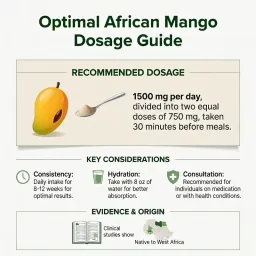
African mango should be integrated as part of a holistic health plan that includes a balanced diet, regular physical activity, and consistent blood sugar monitoring. Always consult with healthcare professionals to determine the right dosage and to ensure it aligns with your overall health strategy.
Integrating African mango into your diabetes management plan can be a wise choice, but it's essential to approach it with care. As I often emphasize at Best African Mango, a well-rounded strategy that includes lifestyle changes, dietary adjustments, and professional guidance is vital for achieving long-term health goals.
When considering how to incorporate African mango, think about it as part of a comprehensive health plan. Focus on:
By combining these elements, you can create an effective diabetes management strategy that incorporates African mango safely and effectively.
To integrate African mango into your daily routine, consider starting with the recommended dosage guidelines and tailoring them to your individual needs. It's crucial to:
With thoughtful integration, African mango can be a valuable ally in your journey towards better health management.
As you explore the potential benefits of African mango, I encourage you to engage with healthcare professionals who can provide personalized advice based on your unique health profile.
Consulting with a doctor or a nutritionist can help you make informed decisions about incorporating African mango into your regimen. They can assist in assessing:
By partnering with healthcare professionals, you're ensuring a safer path towards better health!
Lastly, staying updated on the latest research developments regarding African mango will empower you to make informed choices. Keep an eye out for:
By remaining engaged with new findings, you can continuously optimize your diabetes management strategy with confidence.
Here is a quick recap of the important points discussed in the article:
Dr. Nia Abara is a dedicated researcher and health advocate with a passion for natural wellness and nutrition. With a background in nutritional science, Dr. Abara provides evidence-based insights into the benefits and uses of African mango (Irvingia gabonensis). Through her expertise, she aims to empower health-conscious individuals and supplement researchers to make informed choices for their well-being.